
关于询价

英国新冠疫情调查
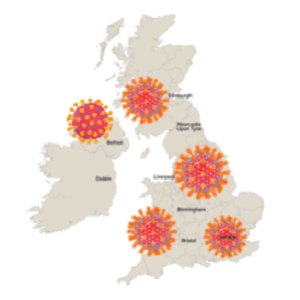
- finding out what happened during the Covid-19 pandemic in the UK
- 学习如何为未来的流行病做好准备
The Inquiry is divided up into 模块. Each module is about a different subject. Each module has:
- 公开听证会:人们谈论他们的经历的活动
- 一份报告
每个故事都很重要

每个故事都很重要 is one way that the Inquiry learns about people’s experiences of the pandemic.
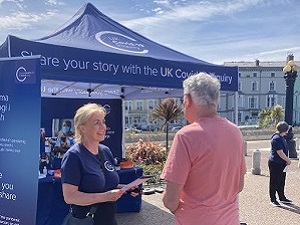
Anyone in the UK could share their stories with us, at events and by using our website.
The stories helped us to learn about what happened, then decide how to do things differently in future.

You might feel upset when you read people’s stories. Here is a link to information about getting support:
https://covid19.public-inquiry.uk/support-whilst-engaging-with-the-inquiry/
记录

每个模块都使用来自 每个故事都很重要.

每个 记录 是人们告诉我们的事情的摘要。

This document is the Easy Read version of one of the records for 模块 10.
All the Every Story Matters records are on our website:
https://www.covid19.public-inquiry.uk/every-story-matters/records/
Key Workers
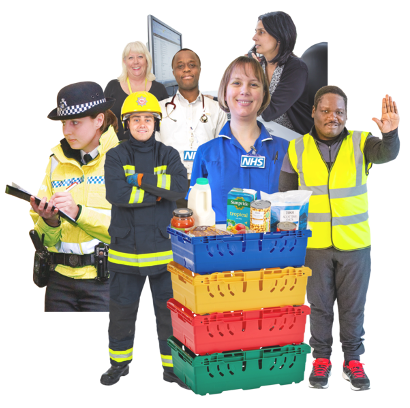
This record is about the experiences of key workers 在疫情期间。
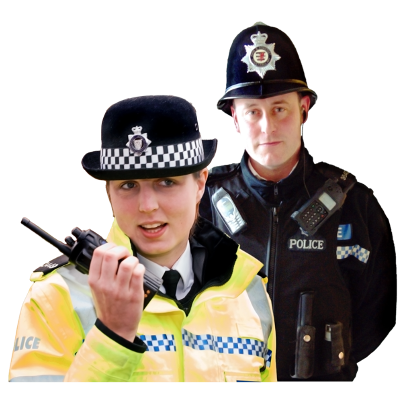
关键工作人员 are people who do essential work to help the public:
- Police
- Ambulance workers
- Firefighters

- Teachers
- Health care workers

- Cleaners
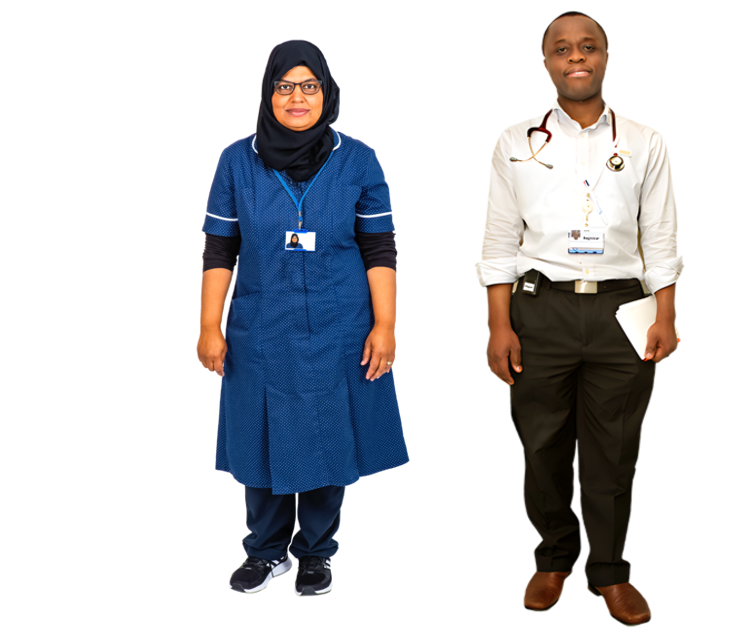
- Nurses
- Doctors
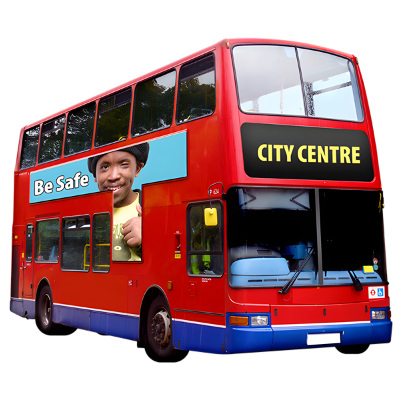
- Bus, train and taxi drivers
- Shop workers
- Security guards
- Funeral workers

They had to work very hard. This made them feel stressed and tired.

Many key workers got sick with Covid-19.
Things people told us
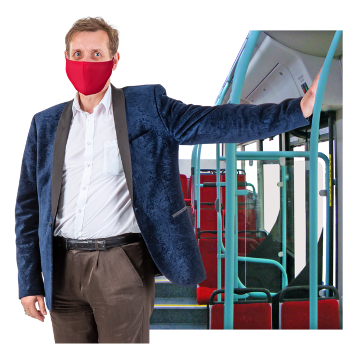
Key workers said:
- They worried a lot about catching Covid-19 at work.
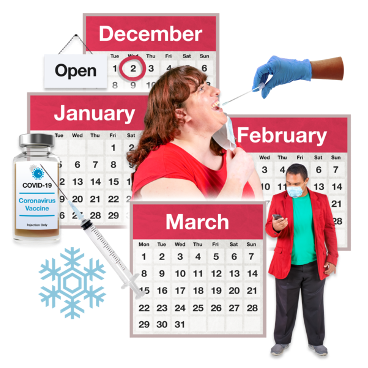
- The rules about lockdowns and other things kept changing, and this made their jobs more difficult.

- Some people worked in buildings with small rooms and no windows that open. This felt unsafe.
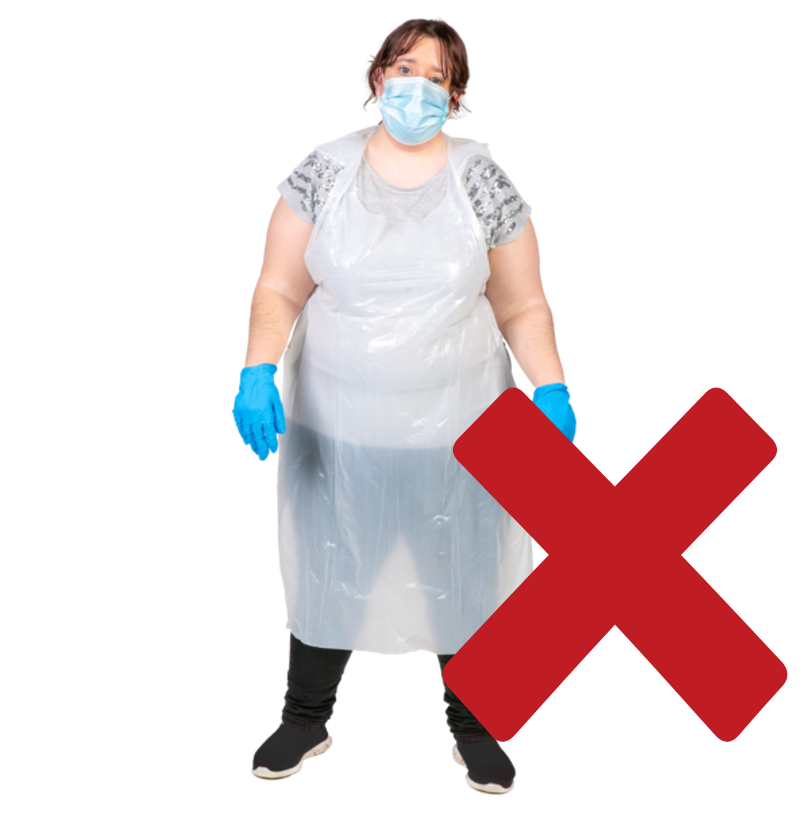
- Some key workers could not get things like masks, gloves and aprons to protect themselves.
Family life
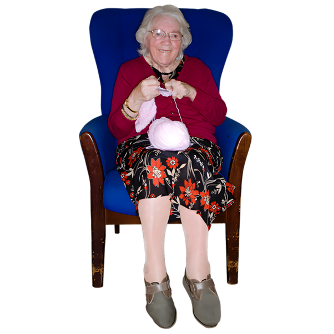
- Some key workers lived with people who were very young, old or unwell.
These people were more at risk of becoming very unwell with Covid-19.

- Some key workers decided to live alone, to protect people they love.
This was very difficult for everyone involved.

- Working very hard, and not having childcare, made life very hard for families.
Stress

- Many key workers got sick and had to stay at home.
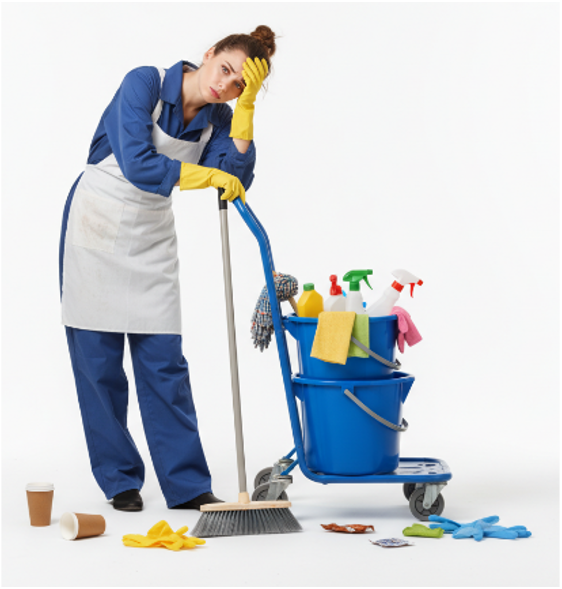
Other people in their organisations had to work much harder.
This made people feel tired and stressed.
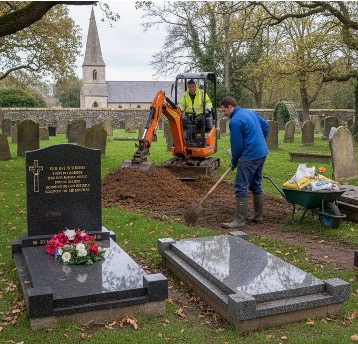
People who worked in funeral homes, crematoriums and burial grounds also had to work harder.
This was because more people were dying.

- Teachers worked all day then struggled to home-school their own children in the evenings
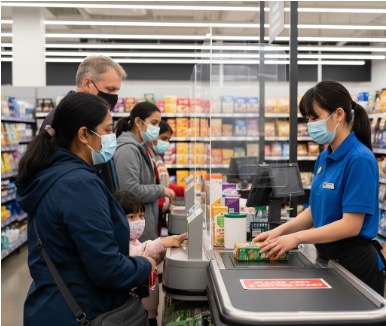
- Young workers in shops had to work a lot more hours than before the pandemic. This made it more likely that they would catch Covid-19 at work. This felt very stressful.

- Some key workers were shouted at and threatened by people.
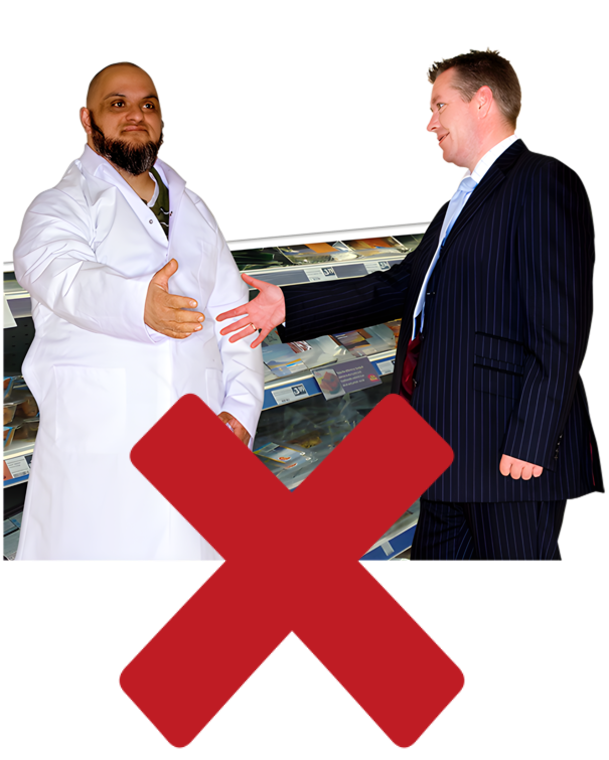
Shop workers from ethnic minority groups were badly affected.
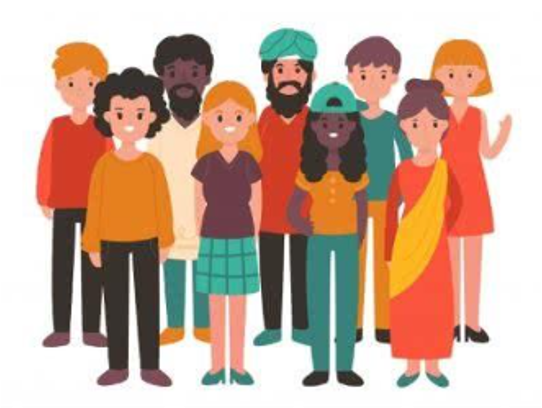
An ethnic minority group is a group of people in a place or country who share things like culture, religion, traditions and customs, which are different to most other people in that place.

It was even worse when they had to make people follow rules like social distancing and mask-wearing
健康

Working through the pandemic affected people’s mental health. Many are still suffering today.
- Some key workers did not get support from their employer. Some organisations seemed more worried about keeping things running, than the health of their staff.

- People with Long Covid had to take a lot of time off work.
长期新冠病毒 is when people feel sick with symptoms that last for a long time after they have had Covid-19.
Employers could have helped. For example, by letting people work less hours or work from home.
钱

- Some key workers could not get sick pay.
Sick pay is when you are not well enough to work, but you still get paid.

- Many key workers did get sick or had to self-isolate at home. Without sick pay, this was very hard.
- People who got Long Covid could be off work for a long time.

- Some people had to borrow money to buy food and pay bills.
Feeling appreciated

- Key workers’ lives changed a lot.
- They took risks and gave up things that were important to them.

- Many key workers told us that they did not feel appreciated by people.

- They did not always get the support they needed, like vaccines and going to the supermarket earlier than everybody else.

- Some key workers did feel valued. This helped them to feel proud of their work.
What next?
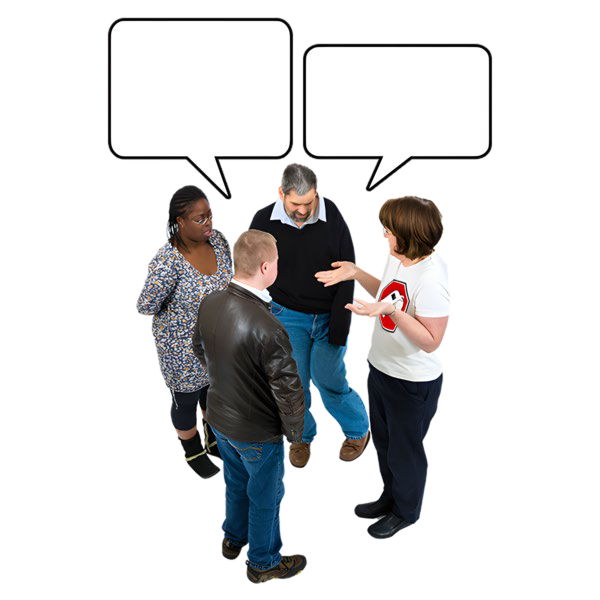
Key workers told us about things that could be better in the future:

- Write clear rules about what happens to key workers in a pandemic.

- Make plans for every essential service. For example: schools, shops and the police.
- Be clear about who is a “key worker”.

- Make sure that all key workers get sick pay, help with mental health, protective clothing and vaccines.
更多信息
Download a full version of this record here:

You can find a short version of the record in other formats:
- 英语
- 威尔士语

- 英国手语(视频)