Covid-19 Inquiry

Module 3: healthcare
Report and Recommendations
关于Covid-19

新冠病毒是一种病毒。
它于2020年突然出现在英国,并迅速传播开来。

世界各地的人都患病了。许多人死亡。这意味着它被称为 大流行。
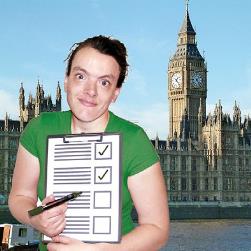
英国四个政府必须就如何保护人民做出重大决定。

- 英国政府
- 威尔士政府
- 苏格兰政府
- 北爱尔兰行政院
The Covid-19 Inquiry

此次调查旨在查明疫情期间究竟发生了什么。

这将有助于人们在未来做出更好的决策。

调查已经 听证会. At a hearing, we listen to people like politicians, doctors and scientists.

听证会结束后,主席哈雷特女男爵撰写报告。

This Easy Read is about her report for 模块 3.
关于本报告

This is an Easy Read version of the Covid-19 Inquiry’s 3rd report.

完整报告包含更多信息。

还有更多无障碍格式和语言的版本。

您可以从调查网站上获取所有报告:
卫生保健

This report is about how healthcare was affected by the pandemic.

Healthcare means the care and treatment that people got from, for example:

• Hospitals
• Ambulances
• NHS 111

We found out what the pandemic was like for healthcare workers like doctors and nurses and patients.
Things we found out

We were not ready for a pandemic.
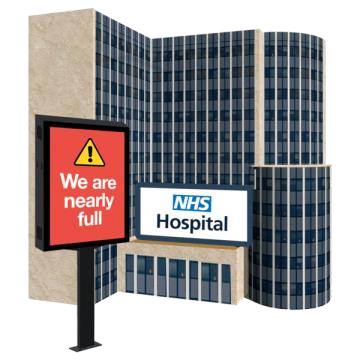
Healthcare organisations were already struggling.
The pandemic was devastating.
The Inquiry’s Chair, Baroness Hallett, said: “We coped, but only just.”
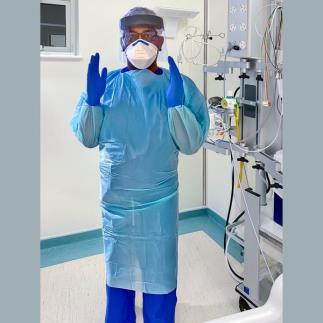
We only managed to cope because healthcare staff worked extremely hard.
Getting healthcare
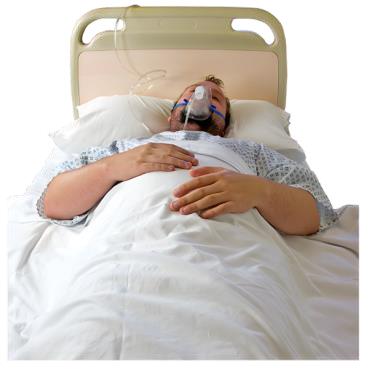
Some people did not get the health care they would normally get.
Some people were not in hospital when they needed to be.
Some people waited in ambulances for hours.
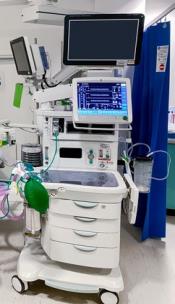
There was not enough staff or hospital equipment.
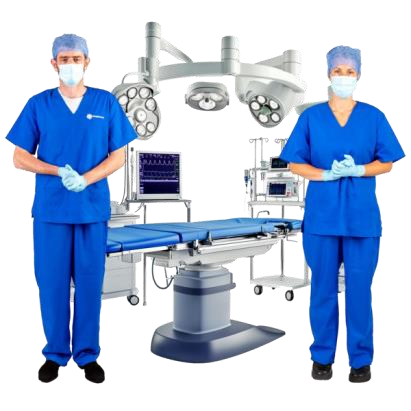
Millions of operations were cancelled, and serious illnesses were not found out or treated.
End of life plans
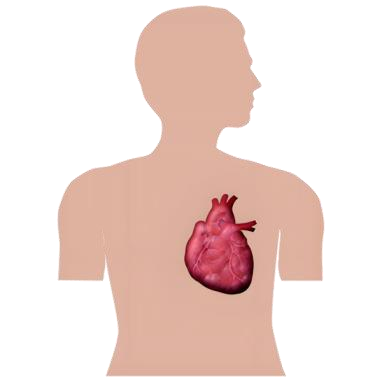
Sometimes, plans were made in advance to say that doctors should not try to restart someone’s heart if it stopped beating.
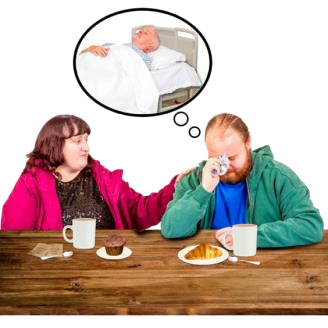
Some of these plans should not have been made.
Some families and carers found out about the plans after the person had died.
Healthcare workers

Healthcare staff had to work very hard for many months.

It affected their mental health.
Many healthcare workers died
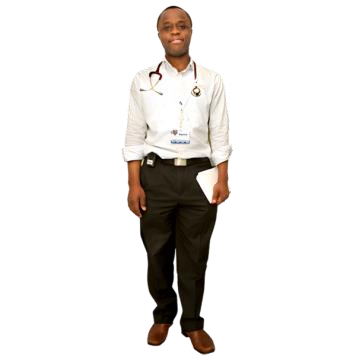
Many of the workers who died were ethnic minorities.
Ethnic means the culture or background you are from.
Minority means the size of a group of people is smaller than the total number of people in a country.
Planning healthcare
Hospitals need better plans about how to deal with a pandemic.

The plans need to be about making sure there are more beds, more equipment and more staff in a pandemic.
Stopping the virus
At the start of the pandemic, people did not know that the virus could spread through the air.
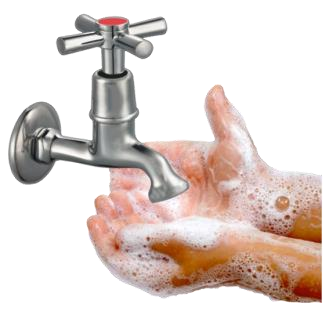
This meant that advice about how to avoid spreading the virus was not enough to stop it.
People with other illnesses
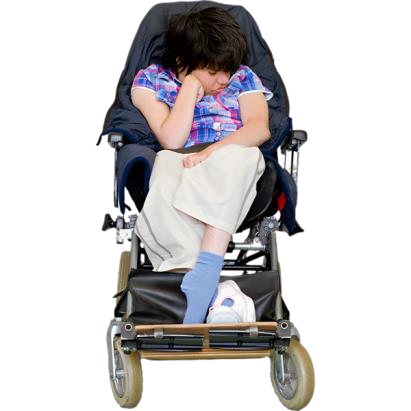
Some people were more at risk from Covid-19.

They had to stay at home, away from other people, called shielding.
Information about shielding was not good enough.
Rules about visiting people
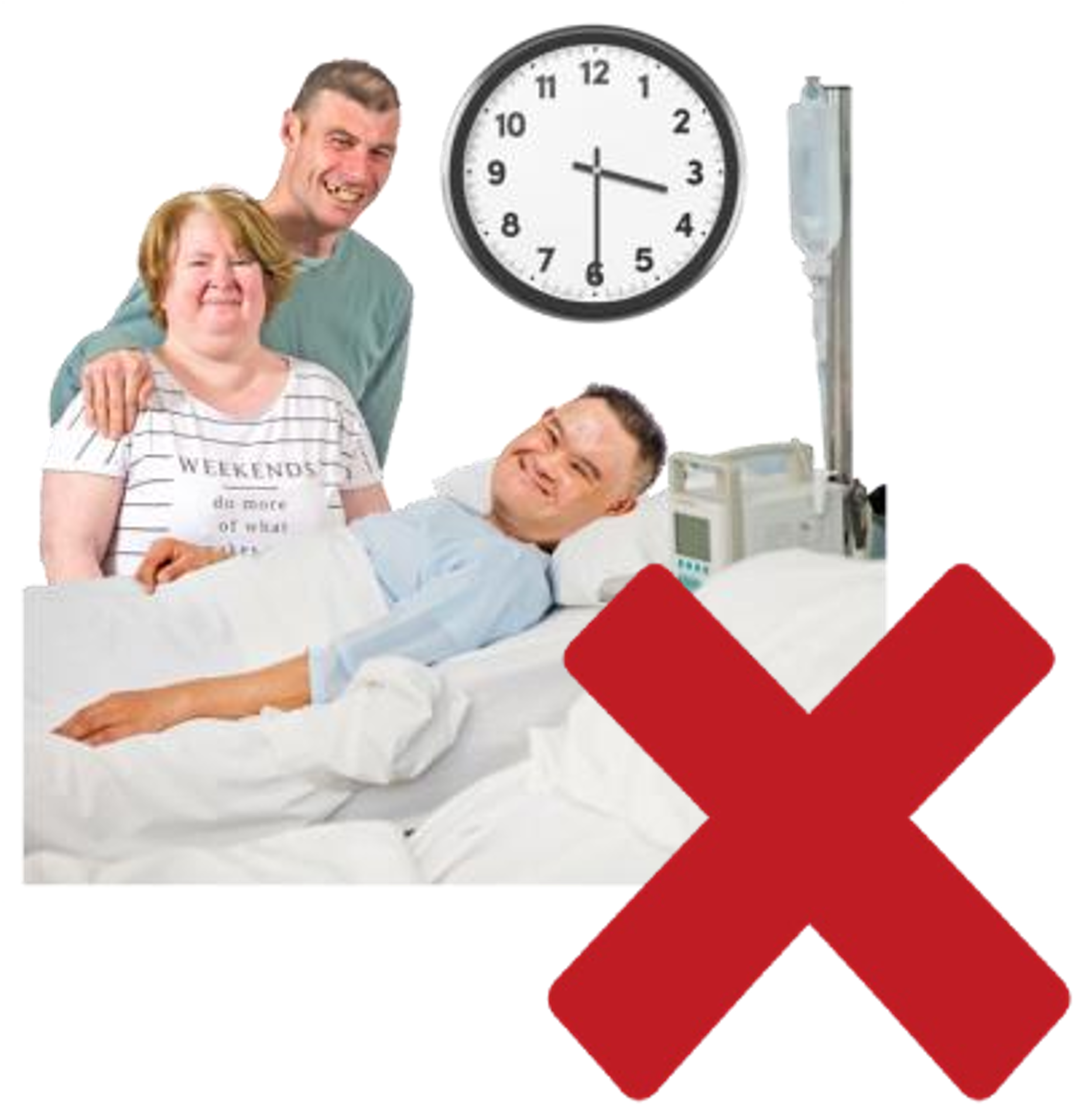
People were not allowed to visit friends and relatives in hospital.
Many people died alone.

This was extremely upsetting for everyone.
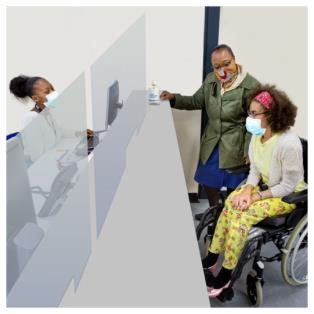
The rules also meant that people did not have the support they needed in medical appointments.

This included pregnant women, people with dementia, and people with learning disabilities.
111 services

People with Covid-19 symptoms were told to phone 111.
Lots of people used the service.

This meant it took a long time to get an answer. Some people gave up before their call was answered.
长期新冠病毒

People who are still ill with Covid for a long time have ‘Long Covid’.
It took a long time for people to find out why they were so unwell.
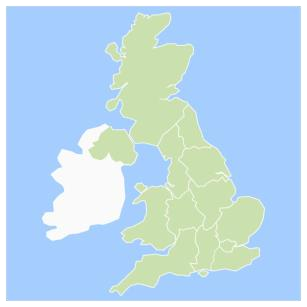
People in some parts of the UK still do not get good treatment for Long Covid.
接下来该做什么
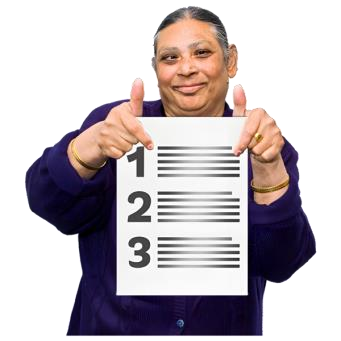
为了保护人民的未来,各国政府必须采取这些措施。
1. Emergency care
Make sure hospitals are ready to quickly treat a big number of people if there is another pandemic.

2. Trying to stop infections
Involve more people in making decisions about how to stop people getting ill.
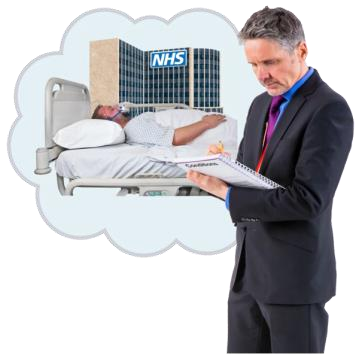
3. Collect and use information
Collect information about who is most likely to become unwell in a pandemic.
Use the information to keep them safe.

Keep better records about the deaths of healthcare workers.
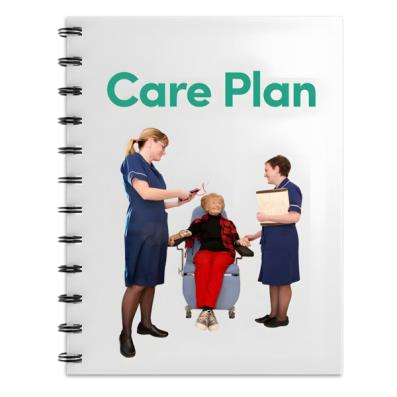
4. Planning people’s care
Involve people in planning their own care.
People should have a plan that says what they want to happen to them if they are very unwell.
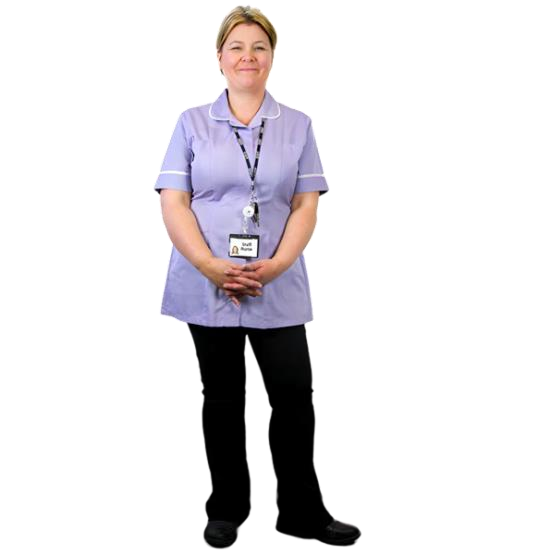
5. Support healthcare workers
Healthcare staff are more likely to cope if they get good support.
They are also more likely to stay in their jobs.

6. Making decisions
Write guidance for decision-makers to follow in emergencies.
For example, if critical care wards can’t deal with the number of patients.
Critical care is for people who are very unwell.
What happens next
After every hearing Baroness Hallett writes her recommendations.

All these recommendations are designed to work well together and they should happen at the same time as the recommendations from the Inquiry’s 1st and 2nd report.

She listened to all the hearings then wrote the recommendations.
She expects that 全部 the recommendations will be done by the UK’s governments.

She will check to make sure this is happening.
未来报告
将会有更多关于以下方面的报道:
- 疫苗和治疗
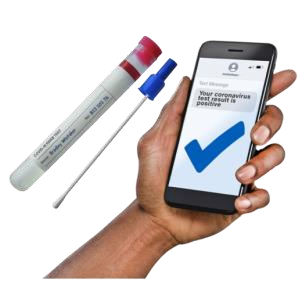
- 购买的物品——例如医疗设备和软件
- 检测、追踪和隔离
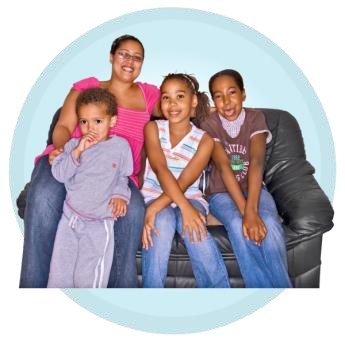
- 社会关怀
- 儿童和青少年

- how the governments in the UK spent money
- 它对全体人口的影响
了解更多
If you want to find out more, please go to this website.

感谢您阅读我们的报告。