Content warning: This record includes descriptions of death, suffering, self-harm, suicidal ideation, neglect, acts of omission and significant physical and psychological harm. These may be distressing to some. Readers are encouraged to seek support if necessary. A list of supportive services is provided on the UK Covid-19 Inquiry website.
ਮੁਖਬੰਧ
Module 10: ‘Impact on Society’, is the final module of the UK Covid-19 Inquiry. This module will examine the impact of Covid on the population of the United Kingdom with a particular focus on key workers, the most vulnerable, the bereaved, and people’s mental health and wellbeing. This Every Story Matters record is one of three being produced as part of the Module 10 investigation, and will cover the impact of the pandemic on the Mental Health and Wellbeing of those living in the UK during the pandemic.
Every Story Matters closed to new stories in May 2025. Records for Module 10 analysed every story shared with the Inquiry online and at our Every Story Matters listening events up until this date. These records represent the totality of what we have heard on these topics.
The effect of the pandemic and subsequent restrictions and lockdown measures affected everyone in the UK, and the resulting impacts on mental health and wellbeing were widespread and varied. This record demonstrates the experiences of a wide range of people , including those with existing mental health conditions, those who developed new conditions as a result of the pandemic and those whose wellbeing was impacted.
For many, the pandemic led to feelings of anxiety often linked to the fear of catching Covid-19, or spreading it amongst friends and family members. This affected people’s mental health and wellbeing and in many cases exacerbated existing mental health issues.
The feelings of isolation and loneliness as a result of being cut off from family members and friends resulted in a decline in many people’s mental health and wellbeing. Some turned to coping mechanisms such as alcohol and drugs. Others found new ways to connect with others to combat loneliness.
For those with pre-existing or new mental health conditions, the pandemic resulted in challenges accessing mental health services. Many services became less accessible and harder to reach, leading to people feeling frustrated and hopeless. Mental health services moving online worked for some, but not everyone.
The pandemic affected everyone’s mental health and wellbeing differently and had vastly varying levels of impact. We heard from some people about how their wellbeing was positively impacted, or how they found positive ways of dealing with life in lockdown and living under restrictions.
Whilst this record aims to cover the impact of mental health and wellbeing of those living in the UK generally, it is important to recognise that the mental health and wellbeing of the bereaved and those working as key workers during the pandemic was significant. Their experiences are covered separately, as part of the Module 10 Bereavement Every Story Matters record and the Module 10 Key Workers Every Story Matters record.
We recognise that experiences of personal mental health struggles are particularly difficult, and would like to thank all those who shared their story via Every Story Matters. The stories and experiences shared with us are of vital importance in allowing us to paint a picture of how people’s mental health and wellbeing was impacted during the pandemic. This record will help the Inquiry Chair in identifying lessons that can be learned and key findings to ensure that the UK is better prepared for a future pandemic.
ਮਾਨਤਾਵਾਂ
The team at Every Story Matters would also like to express its sincere appreciation to all the organisations below for helping us capture and understand the voice and experiences of people who shared experiences in relation to mental health and wellbeing during the pandemic. Your help was invaluable to us reaching as many communities as possible. Thank you for arranging opportunities for the Every Story Matters team to hear the experiences of those you work with either in person in your communities, at your conferences, or online.
- All Wales People First
- British Association of Social Workers (BASW)
- British Association for Counselling and Psychotherapy (BACP)
- Care Association Alliance (CAA)
- ਕ੍ਰੈਗਲਬਰਟ ਸੈਂਟਰ
- ਅਪੰਗਤਾ ਐਕਸ਼ਨ ਉੱਤਰੀ ਆਇਰਲੈਂਡ
- Disability Equalities Scotland
- East Park School
- Learning Disability Wales
- ਮੇਨਕੈਪ
- ਮਨ
- ਕਵੀਨਜ਼ ਯੂਨੀਵਰਸਿਟੀ ਬੇਲਫਾਸਟ
- ਦੱਖਣੀ ਏਸ਼ੀਆਈ ਸਿਹਤ ਕਾਰਵਾਈ
- ਗ੍ਰੈਜੂਏਟ ਸਕੂਲ, ਕਵੀਨਜ਼ ਯੂਨੀਵਰਸਿਟੀ ਬੇਲਫਾਸਟ
- 2 Royal Avenue Cultural Civic Centre (Belfast)
ਸੰਖੇਪ ਜਾਣਕਾਰੀ
This short summary provides a high-level overview of the themes from the many stories we heard about how the pandemic impacted people’s mental health and wellbeing.
ਕਹਾਣੀਆਂ ਦਾ ਵਿਸ਼ਲੇਸ਼ਣ ਕਿਵੇਂ ਕੀਤਾ ਗਿਆ
Every story shared with the Inquiry is analysed and will contribute to one or more themed documents called records. These records are submitted from Every Story Matters to the Inquiry as evidence. This means the Inquiry’s findings will be informed by the experiences of those most affected by the pandemic.
In this record contributors describe their experience of how the pandemic impacted their mental health and wellbeing.
The Inquiry team and researchers have:
- Analysed 55,362 stories shared online with the Inquiry, using a mix of natural language processing and researchers reviewing and cataloguing what people have shared.
- ਇੰਗਲੈਂਡ, ਸਕਾਟਲੈਂਡ, ਵੇਲਜ਼ ਅਤੇ ਉੱਤਰੀ ਆਇਰਲੈਂਡ ਦੇ ਕਸਬਿਆਂ ਅਤੇ ਸ਼ਹਿਰਾਂ ਵਿੱਚ ਜਨਤਾ ਅਤੇ ਭਾਈਚਾਰਕ ਸਮੂਹਾਂ ਨਾਲ ਐਵਰੀ ਸਟੋਰੀ ਮੈਟਰਸ ਲਿਸਨਿੰਗ ਈਵੈਂਟਸ ਦੇ ਥੀਮ ਇਕੱਠੇ ਕੀਤੇ ਗਏ ਹਨ।
For other Every Story Matters records, targeted research has often been carried out to capture specific experiences. For this record, the themes are derived from the above sources only, but a range of evidence about peoples’ experiences will be gathered by the Inquiry in other ways.
More details about how contributors’ stories were brought together and analysed in this record are included in the Introduction and in the Appendix. The document reflects different experiences without trying to reconcile them, as we recognise that everyone’s experience is unique.
Some stories are explored in more depth through quotes and case illustrations. These have been selected to highlight specific experiences. The quotes and case illustrations help ground the record in peoples’ own words. Contributions have been anonymised.
Please note that this Every Story Matters record is not clinical research – whilst we are mirroring language used by participants, including words such as ‘anxiety’, ‘OCD (obsessive-compulsive disorder)’, ‘PTSD (post-traumatic stress disorder)’, this is not necessarily reflective of a clinical diagnosis.
The impact of the pandemic on general mental health and wellbeing
Challenges affecting mental health and wellbeing
People told us how frightened they were about catching Covid-19 and spreading it to their loved ones. The fear of spreading the virus made people feel worried and distressed about being in public spaces. Some contributors who previously had no experience of mental health conditions told us that they felt sad, angry and hopeless from being isolated from their loved ones. We heard from some people that these feelings led to difficulties they had not experienced before such as anxiety and depression.
| " | I worried about germs from parcels or letters, or shopping delivered; nothing felt safe. It began to affect my mental health, massive anxiety and inability to cope with stress, I developed agoraphobia which affected my life daily.
- ਐਵਰੀ ਸਟੋਰੀ ਮੈਟਰਜ਼ ਯੋਗਦਾਨੀ, ਇੰਗਲੈਂਡ |
| " | When the country locked down, my mental health spiralled. At first, I was diagnosed with general anxiety disorder and depression then the longer the restrictions were in place it progressed to clinical depression and agoraphobia.
- Every Story Matters contributor, Scotland |
We heard from some people how the frequency of news updates and televised government briefings left them feeling frightened. They told us how this information often added to their stress as it increased their worry about the pandemic.
| " | I got to a point where I stopped watching the news channels as it was all death and was having a negative emotional impact on me and my family.
- ਐਵਰੀ ਸਟੋਰੀ ਮੈਟਰਜ਼ ਯੋਗਦਾਨੀ, ਇੰਗਲੈਂਡ |
In some cases, contributors also told us how they had intrusive thoughts about self-harm or suicide, due to heightened feelings of stress and worry at work caused by the pandemic.
| " | During the first 18 months of the Covid pandemic I made plans to take my life on a number of occasions due to the stress at work and the feelings [of] worthlessness. I struggled with self-harm through this period regularly self-harming at work. I did try to access NHS mental health service, but they weren’t offering anything due to Covid restrictions.
- ਐਵਰੀ ਸਟੋਰੀ ਮੈਟਰਜ਼ ਯੋਗਦਾਨੀ, ਇੰਗਲੈਂਡ |
Impact of the pandemic on social connections, lifestyle and daily habits
Many contributors told us about the isolation they experienced because lockdown restrictions meant they could not see or be supported by their loved ones and their wider community. This was especially true for those who lived alone, who told us how lonely and disconnected they felt.
| " | I lived alone and felt very isolated and had an absolute terror that I was going to accidentally give Covid to someone without realising.
- ਐਵਰੀ ਸਟੋਰੀ ਮੈਟਰਜ਼ ਯੋਗਦਾਨੀ, ਇੰਗਲੈਂਡ |
Some people told us how they fell into unhealthy patterns to deal with the stress of the pandemic. This included increased alcohol and drug use.
| " | Prior to Covid, I’d only been a social drinker and was able to control my drinking. In the initial lockdown starting in March 2020, there was nothing to do. I started drinking as it was the only thing that gave me something to look forward to. Eventually I was drinking at least a bottle of wine a day just as something to do. So I stayed home and drank more.
- ਐਵਰੀ ਸਟੋਰੀ ਮੈਟਰਜ਼ ਯੋਗਦਾਨੀ, ਇੰਗਲੈਂਡ |
Others described changes in their eating patterns. We heard from some people how they gained or lost significant amounts of weight, while other people told us they developed new eating problems and disorders, or that existing eating disorders worsened.
| " | My anxiety about getting sick and obsessive thoughts drove my eating disorder to get dangerously worse, until it was not uncommon for me to collapse at random.
- ਹਰ ਕਹਾਣੀ ਮਹੱਤਵਪੂਰਨ ਯੋਗਦਾਨ ਪਾਉਣ ਵਾਲਾ |
Financial stress, uncertainty and work pressures
Many faced financial difficulties during the pandemic. Those who lost their jobs discussed how this led to stress and uncertainty which was detrimental to their mental health. They also said that this made them anxious about being able to provide for their families.
| " | After the initial lockdown, the company I had worked for [for] 16 years decided to restructure and I was made redundant. It has all definitely affected my mental wellbeing, loss of confidence, angry and depressed. It has also hit my family’s finances. All this had forced us to move house and leave our lovely family home, we have still not recovered financially or mentally.
- ਐਵਰੀ ਸਟੋਰੀ ਮੈਟਰਜ਼ ਯੋਗਦਾਨੀ, ਇੰਗਲੈਂਡ |
The impact on people with pre-existing mental health conditions
People with pre-existing mental health conditions told us that their conditions often worsened during the pandemic. The disruption to their routines and reduced access to regular mental health services made it difficult for them to manage their conditions, which often caused them to deteriorate.
| " | Having no routine, no social interaction, no exercise classes, no distractions, my mental health issues got progressively worse. I struggled to adapt, felt isolated and became angry. I had no control over my external environment and didn’t have any coping skills to manage my emotions. I fell back into patterns of self harm, developed an eating disorder, and started relying on alcohol to cope with the days.
- Every Story Matters contributor, Scotland |
We heard from people about the challenges posed by the transition from in-person mental health support to online support, which was triggered by the pandemic. We heard how online mental health support felt impersonal and they were unable to express their feelings. They also discussed feeling disconnected from the mental health professionals supporting them because they were unable to build rapport in online or telephone sessions.
| " | All mental health services closed so it was over the phone my consultant psychiatrist would only do over the phone so he could not tell how my body language was and how I was truly feeling and had to guess.
- ਐਵਰੀ ਸਟੋਰੀ ਮੈਟਰਜ਼ ਯੋਗਦਾਨੀ, ਇੰਗਲੈਂਡ |
The impact of the pandemic on mental health services
Increased demand for mental health services
Mental health services faced increased demand during the pandemic. Contributors described difficulties in accessing mental health services due to long waiting lists.
| " | I experienced a significant relapse in my bipolar disorder. I was unable to access my GP for face to face appointments. I was placed on a waiting list for secondary mental health services which took 2 months to come through despite it being an urgent 48 hour referral.
- ਹਰ ਕਹਾਣੀ ਮਹੱਤਵਪੂਰਨ ਯੋਗਦਾਨ ਪਾਉਣ ਵਾਲਾ |
Those who chose to access private mental health services told us that they did so because they were worried about their mental health and were concerned about the long NHS wait times. They acknowledged the cost of private healthcare is prohibitive to many and told us how grateful they were to be able to access private care, while others faced financial strain in paying for private mental health support.
Workforce challenges
We also heard how the demand for mental health services led to increased pressure on mental health professionals. They discussed the difficulties of trying to manage their workloads and support their colleagues.
| " | [I am] a specialist mental health nurse. We were burnt out physically and emotionally. Every Covid test before a shift was an anxiety moment because you knew if you tested positive you’d be leaving your staff team dangerously short staffed. You’d end up doing double shifts to cover staff sickness at detriment to your own mental health because you can’t leave the patients in a dangerous situation.
- ਐਵਰੀ ਸਟੋਰੀ ਮੈਟਰਜ਼ ਯੋਗਦਾਨੀ, ਇੰਗਲੈਂਡ |
Mental health professionals also told us how they were concerned about not being able to provide quality care through online and telephone appointments.
| " | I am a therapist and was working within the NHS IAPT [Improving Access to Psychological Therapies] service at the time of lockdown. When I was told we had to work from home I was concerned if I could still deliver adequate therapy remotely. I felt powerless and afraid but needed to be staring for my clients.
- ਐਵਰੀ ਸਟੋਰੀ ਮੈਟਰਜ਼ ਯੋਗਦਾਨੀ, ਇੰਗਲੈਂਡ |
Mental health professionals experienced staff shortages due to the pandemic. Their colleagues caught Covid-19 and needed time off to recover or were self-isolating after coming into contact with someone who had tested positive. They also told us how frightened and fearful they were about catching the virus or spreading it to their families.
| " | I could not take annual leave at times due to staffing shortages and increasing pressures in the hospital due to lack of community care provisions. The staff I worked with gave their all on the wards to keep patients and each other safe. Some suffered or are suffering with PTSD, others with anxiety and depression or worse. Burnout is evident across this profession. I am, along with others, are in counselling to deal with the trauma and after-effects of working in these environments with the pressures described.
- Every Story Matters contributor, Northern Ireland |
| " | I worked as a psychotherapist, leading a small team in supporting all grades/ professions of NHS staff. The fear of taking the virus home was an added terror for families and loved ones and the staff
- ਐਵਰੀ ਸਟੋਰੀ ਮੈਟਰਜ਼ ਯੋਗਦਾਨੀ, ਇੰਗਲੈਂਡ |
More detail on the experiences of the healthcare workforce can be found in the Every Story Matters record for Module 3 – Healthcare.
Ways of managing and maintaining mental health and wellbeing
Improvements to mental health and wellbeing
Some contributors experienced improvements to their wellbeing during the pandemic. They told us that working from home meant they had more time to spend with their family and enabled them to pick up new hobbies.
| " | The lockdown restrictions were introduced and as a result I was able to work from home and spend a lot of very important time with my baby. Had the lockdown not happened, I’d have missed so much of my child’s early years development and I truly believe that period of time helped foster such a strong relationship between us both.
- ਐਵਰੀ ਸਟੋਰੀ ਮੈਟਰਜ਼ ਯੋਗਦਾਨੀ, ਵੇਲਜ਼ |
Many relied on community or social support to prevent them from feeling lonely. Community initiatives provided social connections, some of which have lasted. Others joined online groups to meet new people, access support and feel less lonely.
| " | We now have a street WhatsApp group and are very supportive of each other. During lockdown, we had a socially distanced street party (sat in our own gardens and yelling over fences!), we did a pumpkin competition for Halloween and a window decorating competition for Christmas. The experience has made us closer as a community and I think we have a street where we can all rely on each other.
- ਐਵਰੀ ਸਟੋਰੀ ਮੈਟਰਜ਼ ਯੋਗਦਾਨੀ, ਇੰਗਲੈਂਡ |
We also heard how some people valued the support they received from their employers. Some were able to access mental health support through employee assistance programmes, which they felt helped them.
| " | In August 2020, I managed to go back into work for about two or three weeks and I could not cope. I was worried I would get Covid, especially when I was on public transport. I was unable to manage the anxiety I was feeling about being outside again. Work was very supportive they arranged for me to have some online counselling.
- ਐਵਰੀ ਸਟੋਰੀ ਮੈਟਰਜ਼ ਯੋਗਦਾਨੀ, ਇੰਗਲੈਂਡ |
1 Introduction
This document presents stories about the impacts of the pandemic on mental health and wellbeing. It includes stories from people who developed mental health conditions during the pandemic and from those with pre-existing conditions. It describes the different coping mechanisms contributors used to help maintain their mental health and wellbeing during the pandemic, as well as the impact on mental health services and the staff working to provide them.
Backgrounds and aims
Every Story Matters is an opportunity for people across the UK to share their experience of the pandemic with the UK Covid-19 Inquiry. Every story shared has been analysed and the insights derived have been turned into themed documents for relevant modules. These records are submitted to the Inquiry as evidence. In doing so, the Inquiry’s findings and lessons to be learned will be informed by the experiences of those impacted by the pandemic.
This record brings together what contributors told us about the pandemic’s impact on mental health and wellbeing, drawing on experiences of individuals with and without pre-existing conditions and examining the effects on mental health services. We also heard how people tried to cope with the mental health and wellbeing challenges of the pandemic.
The UK Covid-19 Inquiry is considering different aspects of the pandemic and how it impacted people. For Module 10, there are three records detailing the specific impacts on mental health and wellbeing, key workers and bereavement. This record outlines the impact on mental health and wellbeing.
Some topics have been covered in other Module 10 records or the records from other modules. Therefore, not all experiences shared with Every Story Matters are included in this document. The experiences related to bereavement and keyworkers have not been included in this record. You can learn more about Every Story Matters and read other records at the website: https://covid19.public-inquiry.uk/every-story-matters.
ਲੋਕਾਂ ਨੇ ਆਪਣੇ ਅਨੁਭਵ ਕਿਵੇਂ ਸਾਂਝੇ ਕੀਤੇ
There are two different ways we have collected contributors’ experiences of the impact on mental health and wellbeing for Module 10:
- Members of the public were invited to complete an online form via the Inquiry’s website (paper forms were also offered to contributors and included in the analysis). This means the people who shared their stories in this way chose to do so themselves. More of those who shared their stories were from England. We heard limited experiences from those with some types of severe mental health conditions. The form asked people to answer three broad, open-ended questions about their pandemic experience. It also asked other questions to collect background information about them (such as their age, gender and ethnicity). This allowed us to hear from a very large number of people about their pandemic experiences. The responses to the online form were submitted anonymously. For Module 10, we analysed 55,362 stories. This included 45,947 stories from England, 4,438 from Scotland, 4,384 from Wales and 2,142 from Northern Ireland (contributors were able to select more than one UK nation in the online form, so the total will be higher than the number of responses received). The responses were analysed through ‘natural language processing’ (NLP), which helps organise the data in a meaningful way. Through algorithmic analysis, the information gathered is organised into ‘topics’ based on terms or phrases. These topics were then reviewed by researchers to explore the stories further (see Appendix for further details). These topics and stories have been used in the preparation of this record.
- The Every Story Matters team went to 43 towns and cities across England, Scotland, Wales and Northern Ireland to give people the opportunity to share their pandemic experience in person in their local communities. Virtual listening sessions were also held online, if that approach was preferred. We worked with many charities and grassroots community groups to speak to those impacted by the pandemic in specific ways. Short summary reports for each event were written, shared with event participants and used to inform this document.
The locations where Every Story Matters listening events were held are shown in Figure 1 below
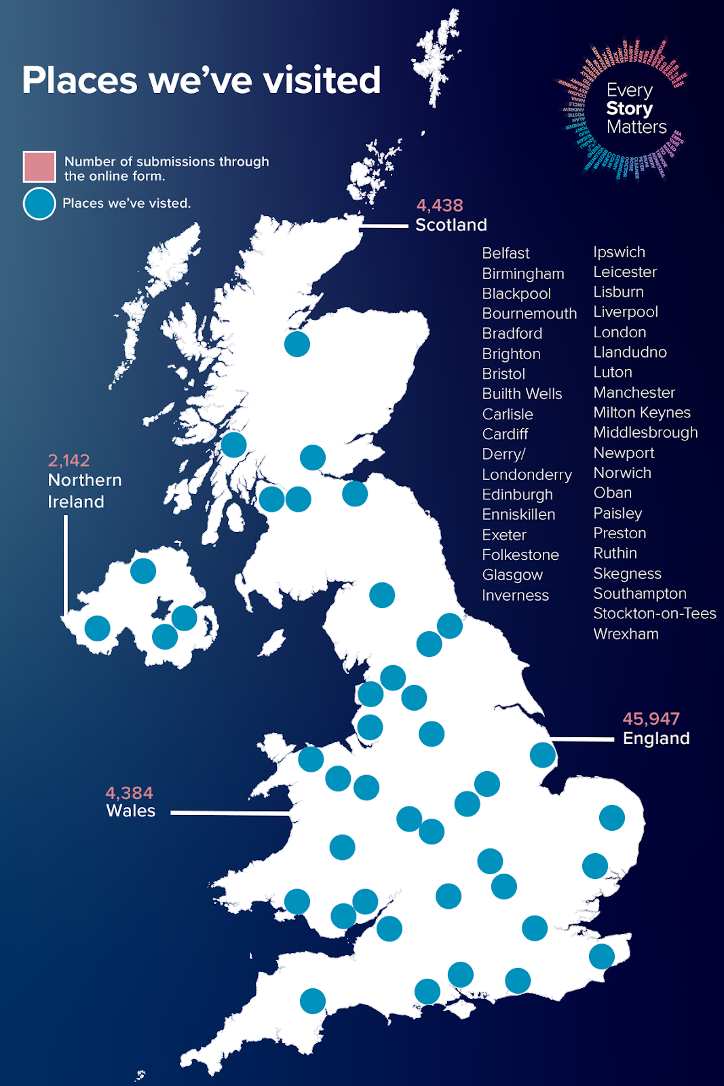
Figure 1: Every Story Matters listening events across the UK
ਕਹਾਣੀਆਂ ਦੀ ਪੇਸ਼ਕਾਰੀ ਅਤੇ ਵਿਆਖਿਆ
It is important to note that the stories collected through Every Story Matters are not representative of all experiences of the pandemic’s impact on mental health and wellbeing. Stories were collected from November 2022 to May 2025, meaning that experiences are being remembered sometime after they happened. People with particular experiences are more likely to share these with the Inquiry. The pandemic affected everyone in the UK in different ways and, while general themes and viewpoints emerge from the stories, we recognise the importance of everyone’s unique experience of what happened. This record aims to reflect the different experiences shared with us, without attempting to reconcile the differing accounts.
We have tried to reflect the range of stories we heard, which may mean some stories presented here differ from what other, or even many other, people in the UK experienced. Where possible we have used quotes to help ground the record in contributors’ own words.
Some stories are explored in more depth through case illustrations. These have been selected to highlight the different types of experiences we heard about and the impact these had on people. Contributions highlighted in case illustrations have been anonymised.
Throughout the record, we refer to people who shared their stories with Every Story Matters as ‘contributors’. We have also included the part of the UK the contributor is from (where it is known). This is not intended to provide a representative view of what happened in each country, but to show the diverse experiences across the UK of the Covid-19 pandemic.
ਰਿਕਾਰਡ ਦੀ ਬਣਤਰ
This document is structured to allow readers to understand how people’s mental health and wellbeing were impacted during the pandemic.
It starts by exploring how people’s mental health and wellbeing were impacted by the pandemic (Chapter 2) before moving on to discuss the specific experiences of those with pre-existing mental health conditions (Chapter 3). It then describes the impact on mental health services and the experiences of mental health care professionals (Chapter 4) and the ways in which people managed and maintained mental health and wellbeing (Chapter 5). Finally, it explores lessons to be learned for future pandemics (Chapter 6).
2 Impact on general mental health and wellbeing
This chapter explores the overall impact of the pandemic on mental health and wellbeing. It discusses how disruptions to daily routines, isolation from friends and neighbours and changes to work and family life had detrimental and lasting impacts on many contributors’ mental health and wellbeing.
Impact of the pandemic on mental and emotional health
Challenges affecting mental health and wellbeing
Many contributors spoke about the emotional strain they experienced during lockdowns and periods of restriction. They described growing feelings of worry and low mood, along with sadness, frustration and at times, hopelessness. Being cut off from loved ones and usual sources of support left many feeling isolated, highlighting the deep personal toll that social isolation and uncertainty had on wellbeing.
Watching the news and following daily government briefings was frightening and stressful for many, especially when information was shared about the number of people who had died or might die from Covid-19. Even though some contributors knew the news made them anxious, they felt they had to continue watching to ensure they remained up to date with the pandemic and the rules and restrictions.
| " | The pandemic was like a terrible nightmare that would just get worse every day, with all the constant news updates of the rising death toll, it caused so much fear and anxiety to me and so many others.
- ਐਵਰੀ ਸਟੋਰੀ ਮੈਟਰਜ਼ ਯੋਗਦਾਨੀ, ਇੰਗਲੈਂਡ |
| " | The daily briefing on TV during Covid caused me severe anxiety, particularly the death statistics. I was too terrified not to watch it in case it contained vital information, but every day I got more anxious. I was utterly isolated and it gave me insomnia and nightmares when I could sleep. I think it was too intense and not enough account was taken of how frightening it was.
- ਐਵਰੀ ਸਟੋਰੀ ਮੈਟਰਜ਼ ਯੋਗਦਾਨੀ, ਇੰਗਲੈਂਡ |
The fear of catching Covid-19, particularly early in the pandemic, left many extremely anxious about the unknown and potentially devastating consequences of the disease and about passing the virus on to others.
| " | Living through Covid was a trauma – fearing catching a virus that we were told could kill us or our loved ones, constant worry about catching a virus that no one really knew how [it] was transmitted, being isolated from all support.
- ਹਰ ਕਹਾਣੀ ਮਹੱਤਵਪੂਰਨ ਯੋਗਦਾਨ ਪਾਉਣ ਵਾਲਾ |
| " | I felt so stressed at times as [I] had as little contact with family and friends with the fear of passing Covid on to them that they felt that I had shut myself away, especially my children and husband and this started to lower my mood.
- Every Story Matters contributor, Scotland |
| " | I spent a really long time anxious at work. I would cry daily before leaving as I was so scared of passing it on to my family, especially my baby.
- ਹਰ ਕਹਾਣੀ ਮਹੱਤਵਪੂਰਨ ਯੋਗਦਾਨ ਪਾਉਣ ਵਾਲਾ |
We also heard how some people developed a fear of public or crowded places, which they linked to the anxiety they felt about catching Covid-19 from mixing with other people. Some said they continue to live with this fear and how this has severely damaged their relationships, social connections and lifestyle.
| " | I’ve always been an anxious person, but due to the lockdowns (I was living in London in a tiny flat) I developed agoraphobia. This is still an issue today – I’ve left London, have lost lots of my friendship connections, have had to learn to feel safe again in all environments and my life is very restricted.
- ਐਵਰੀ ਸਟੋਰੀ ਮੈਟਰਜ਼ ਯੋਗਦਾਨੀ, ਇੰਗਲੈਂਡ |
| " | I stopped running, which I used to do three times a week, and in 2022 I was diagnosed with depression and anxiety. Even though I am back working full time, I find myself sometimes suffering panic attacks in crowds and busy pubs now and generally avoid people whenever I possibly can, even my close friends sometimes.
- ਐਵਰੀ ਸਟੋਰੀ ਮੈਟਰਜ਼ ਯੋਗਦਾਨੀ, ਇੰਗਲੈਂਡ |
Some contributors who had no previous experience of mental health conditions developed mental health conditions such as anxiety and depression. They attributed this to the different challenges they faced, including isolation from loved ones, new health anxieties and additional stress and pressure in their lives (explored further in the social connection section) and how these had a severe impact on their mental health.
| " | My husband was working 12 to 14 hour days, leaving the house at 6am and not returning till 9/10pm. I was at home with a very active 2 year old and a newborn. This had a huge impact on my mental health, I have been diagnosed with severe anxiety and depression which I now take medication for.
- ਐਵਰੀ ਸਟੋਰੀ ਮੈਟਰਜ਼ ਯੋਗਦਾਨੀ, ਇੰਗਲੈਂਡ |
| " | In January 2021, I was diagnosed with severe anxiety, depression and anorexia, and I believe that my suffering was precipitated and perpetuated by the government’s lockdown measures.”
- ਐਵਰੀ ਸਟੋਰੀ ਮੈਟਰਜ਼ ਯੋਗਦਾਨੀ, ਇੰਗਲੈਂਡ |
Developing new mental health conditionsWe heard from a university administrator who developed anxiety and depression during the pandemic. “When the lockdown happened in March, I was cut off from my support network. My feelings worsened – the pandemic introducing a new health anxiety, that I would pass it on to someone who would die because of me. This led me to not leave the house or be extremely cautious on walks.” Being separated from her partner in the pandemic caused them to break up. She said this in turn led her to feel depressed and she was unsure how to get help. She told us how watching regular news briefings and social media increased her anxiety. “[The] breakup pushed me into a deep depression. I didn’t know how to get help. I did no work (I was fortunate to retain my job) and would lie in bed all day doomscrolling and I would be triggered [by] the news or social media.” She eventually moved into her parents’ house because they could see she was struggling with her mental health. They encouraged her to speak to her GP about how she was feeling. “I was eventually persuaded to call my GP. She was amazing, I was diagnosed with depression and anxiety, given a therapist on the NHS (telephone/zoom sessions) and antidepressants.” She still experiences anxiety about spreading Covid-19, which she attributes to her lockdown experiences. “I had so much anxiety about spreading Covid that it took me a long time to go back into society when things opened up again. I sometimes still, in 2024, catch myself holding my breath when I walk past people on the street, because it was a habit I developed in lockdowns so I wouldn’t breathe on or near people.” |
Some individuals have reported a significant decline in their mental wellbeing since the onset of the pandemic, even if they have not formally been diagnosed with any mental health conditions. For example, some said feelings of anxiety around the future and more intense worries about their health have remained. The struggle of dealing with these feelings continues to impact their daily lives.
| " | Off the back of Covid, I have developed really bad OCD [obsessive compulsive disorder]. I still have it really bad. If someone said to me they had a sore throat, I would shut down and tell them to leave. I don’t want to say it’s PTSD [post-traumatic stress disorder], but in a way it feels like it.
- Every Story Matters contributor, LGBTQ+ Listening Event, Belfast |
| " | That is what we were constantly trying to deal with in the care home – Preventing outbreaks. Immediately if you had a symptom you had to be isolated. I started getting really bad OCD. Obsessive thoughts about health.
- Every Story Matters contributor, LGBTQ+ Listening Event, Belfast |
| " | I have lived and managed a respiratory condition for my entire life which has in the past few years become severe. I have always been a very sociable person and actively exercised. I am now constantly anxious in social situations in case someone has a cold or worse and I end up getting it. I am very well aware of the damage it will do if I am ill and that increases my anxiety. When I am ill my children’s anxiety is now increased because they are scared Covid will kill me.
- ਐਵਰੀ ਸਟੋਰੀ ਮੈਟਰਜ਼ ਯੋਗਦਾਨੀ, ਇੰਗਲੈਂਡ |
Some contributors told us that they experienced intrusive thoughts about self-harm or suicide. They said these thoughts were linked to feelings of stress and worry about the pandemic and the restrictions imposed.
| " | My mental health really suffered. The uncertainty, the loss of freedom, the inability to mix and socialise, the negative/fearful atmosphere, the separation from loved ones, the general anxiety caused by the situation and uncertainty. I had never felt suicidal before the pandemic but reached a desperate state and had suicidal thoughts as a result of the effects of the restrictions, not the pandemic.
- ਐਵਰੀ ਸਟੋਰੀ ਮੈਟਰਜ਼ ਯੋਗਦਾਨੀ, ਵੇਲਜ਼ |
| " | I lived alone and had to work from home, for the first 6 weeks of the pandemic. I didn’t interact with another person except through a screen. Fortunately, my work was very busy over that time. However, the lack of in-person social support was incredibly difficult. I went through some periods of self-harm as a teenager, and this was the first time as an adult I had those thoughts coming back; at one point I remember driving and having the urge to drive my car into the other side of the road.
- ਐਵਰੀ ਸਟੋਰੀ ਮੈਟਰਜ਼ ਯੋਗਦਾਨੀ, ਇੰਗਲੈਂਡ |
| " | I had suicidal and self-harming thoughts which I had never experienced previously. It was scary and I felt overwhelmed and alone.
- ਐਵਰੀ ਸਟੋਰੀ ਮੈਟਰਜ਼ ਯੋਗਦਾਨੀ, ਇੰਗਲੈਂਡ |
Others began self-harming during the pandemic, in an attempt to cope with their feelings of fear and uncertainty.
| " | Covid-19 caused a lot of anxiety around health as my mum was on the high risk list and it made me so anxious that she might get it. Early June of 2020 came around and I started self-harm[ing].
- ਐਵਰੀ ਸਟੋਰੀ ਮੈਟਰਜ਼ ਯੋਗਦਾਨੀ, ਇੰਗਲੈਂਡ |
| " | It all came to a head one evening I had been keeping a knife in my room which I had been self-harming with in a moment of weakness, pure helplessness, hopelessness and anxiety I planned to end it, it was the easiest way out of this spiral, my new chapter in life had fallen apart, I was going to get out.
- ਐਵਰੀ ਸਟੋਰੀ ਮੈਟਰਜ਼ ਯੋਗਦਾਨੀ, ਇੰਗਲੈਂਡ |
Impact of the pandemic on social connections
We heard from many people about how their fear and anxiety deepened during lockdowns as their usual social connections disappeared. They spoke about missing everyday in-person contact with friends, family and the wider community. Several described how difficult it was to face their worries alone without the comfort of shared conversations or simple moments of togetherness.
| " | I grappled with a range of intense feelings, from fear and anxiety to frustration and even anger. Socially, I often felt isolated and lonely due to stringent social distancing protocols … This lack of social support amplified my stress and anxiety, making the situation even more challenging.
- ਐਵਰੀ ਸਟੋਰੀ ਮੈਟਰਜ਼ ਯੋਗਦਾਨੀ, ਇੰਗਲੈਂਡ |
| " | [I] couldn’t see friends or any of the things people tell you to do when you are experiencing a rough time with mental health. So there is literally like there is nothing you can do about it.
- Every Story Matters contributor, LGBTQ+ Listening Event, Belfast |
| " | The stress of being isolated and alone as a single parent was catastrophic for my life and health. The removal of support networks and community services so abruptly was devastating.
- ਐਵਰੀ ਸਟੋਰੀ ਮੈਟਰਜ਼ ਯੋਗਦਾਨੀ, ਇੰਗਲੈਂਡ |
ਸਕੈਗਨੈੱਸ ਤੋਂ ਕਹਾਣੀਆਂAt a listening event in Skegness, we visited a supported accommodation facility for disabled adults. We heard from those living in the facility which provides residents with 24-hour care and support. They told us how the pandemic led to feelings of loneliness and despair, which were made worse by not being able to see their loved ones due to visiting restrictions. The way that Covid-19 cases were managed within the facility meant that if there was an outbreak, residents would have to stay in their rooms for days on end. This isolation from visitors, support staff and other residents, often made their mental health much worse. “The main thing was I couldn’t see my family. My mum lives 20 minutes down the road but I couldn’t keep in touch with family and that was horrible. I like company, but when you can’t see anyone it’s hard.” – Contributor living in an extra care unit, listening event, Skegness “You couldn’t see anyone so you were on your own – never saw a soul in isolation. There was nothing good about it at all. It had a devastating effect on everyone’s health. You couldn’t mix with anybody, no friendships, that’s hard isn’t it. In the army I had friends but now on your own all of a sudden. It was very hard to be on my own.” – Contributor living in an extra care unit, listening event, Skegness |
Changes to ways of working meant some contributors missed the daily interactions they had with their colleagues and they told us that this lack of connection damaged their mental health and wellbeing more than they expected.
| " | I was working from home from mid March 2020, within a few weeks began missing colleagues and face to face contact. My partner was a key worker and continued to go to work seeing colleagues daily, so their life didn’t change much. Within 3 months I had started to feel socially isolated and lonely, unable to visit my friends nearby or parents who live a few hours away. I had to try to home school my 10 year old, I realise now I was probably experiencing depression, feeling like a failing mother with an unhappy child, immense work pressure and social isolation.
- ਐਵਰੀ ਸਟੋਰੀ ਮੈਟਰਜ਼ ਯੋਗਦਾਨੀ, ਇੰਗਲੈਂਡ |
| " | Isolating caused me to feel incredibly lonely and isolated even though I had my son and his girlfriend living with me. They would be working online, we would chat in the evenings, but I missed the human interactions that you have every day at work and when you go out shopping.
- ਐਵਰੀ ਸਟੋਰੀ ਮੈਟਰਜ਼ ਯੋਗਦਾਨੀ, ਇੰਗਲੈਂਡ |
Those who lived alone during the pandemic told us how they struggled to adapt to the lack of physical contact with other people. They shared how lonely and disconnected they felt as a result. Many discussed how unfair it was that they were isolated while others were supported through lockdowns by those they lived with. They felt that pandemic restrictions did not acknowledge how difficult it was to have no contact with anyone and that more should have been done to support them. For example, some suggested that those living alone should have been allowed to buddy with others to ensure they still had some contact with people.
| " | I live alone and did so for the entire pandemic and was so angered to see single people or those who lived by themselves entirely missing from messaging or policy for so much of the pandemic. It was an incredibly isolating, lonely, worrisome, and deeply sad time to navigate on my own.
- Every Story Matters contributor, Scotland |
| " | When Covid hit, I had just been recently widowed and also lost both my parents very shortly after my husband. I was therefore incredibly isolated. I felt unable to go out [to] the garden despite the fact the weather was nice. All I could hear all around me was my neighbours in their gardens with their families, laughing, eating together and chatting and this simply increased my feeling of loneliness.
- ਐਵਰੀ ਸਟੋਰੀ ਮੈਟਰਜ਼ ਯੋਗਦਾਨੀ, ਇੰਗਲੈਂਡ |
The isolation of living aloneOne contributor who lived alone in a one-bedroom flat in a rural area during the pandemic, told us about how cut-off they felt. They described the impact that not seeing anyone and living in isolation had on their mental wellbeing. “I was in total isolation by myself for 3 months. I was furloughed. I was virtually reaching out as much as possible. But it sent me insane. I felt like I was going crazy.” “Looking out the window and just seeing empty fields, not hearing a word from neighbours, conversations from terrified family. I would walk empty fields by myself before coming back to my empty flat. It lasted months. I cried every day. I reached out to my GP because I just felt utterly [in] despair, I thought it would last forever.” |
Not being able to attend places of worship left many people feeling isolated from wider community support and fellowship.
| " | For many older folk, church activities were one of their few social occasions, and they struggled enormously with or were outright unable to access online meetings. Many deteriorated very significantly both physically and mentally once they were cut off from their community.
- ਐਵਰੀ ਸਟੋਰੀ ਮੈਟਰਜ਼ ਯੋਗਦਾਨੀ, ਇੰਗਲੈਂਡ |
| " | My mother also lost her sense of community when her place of worship was unavailable and this also impacted on her mental health.
- ਐਵਰੀ ਸਟੋਰੀ ਮੈਟਰਜ਼ ਯੋਗਦਾਨੀ, ਇੰਗਲੈਂਡ |
Impact of the pandemic on lifestyle and daily habits
Some people became more reliant on unhealthy ways of coping with stress and isolation, such as drinking more alcohol, smoking or using drugs. A few told us that they turned to drugs as a way to manage overwhelming or distressing emotions.
| " | I lived alone with my 8 year old daughter, isolation was very damaging for me and I couldn’t sleep. A friend suggested I smoke cannabis to help me calm down. This really helped but I became dependent on it. This led on to other drugs and increased alcohol intake to deal with the stress and anxiety but then became something I needed even once restrictions ended. I am now 5 months sober.
- ਐਵਰੀ ਸਟੋਰੀ ਮੈਟਰਜ਼ ਯੋਗਦਾਨੀ, ਇੰਗਲੈਂਡ |
Some people drank more because they were furloughed or working from home and did not have anything else to do. They said this had a damaging impact on their mental health.
| " | I was furloughed in May 2020. From that day I drank most days of lockdown. I had no reason not to. I had nothing to focus on and nothing to keep me motivated. My mental health took a real backwards step to the point I felt worse than ever. I was stuck in a routine of feeling tired and drinking alcohol.
- ਐਵਰੀ ਸਟੋਰੀ ਮੈਟਰਜ਼ ਯੋਗਦਾਨੀ, ਇੰਗਲੈਂਡ |
Young people too told us how they attempted to cope with their feelings of anxiety and isolation by increasing their use of drugs and alcohol during the pandemic. Some noted that they continue to struggle with dependency on alcohol and drugs, and that their addiction continued beyond the pandemic.
| " | When Covid-19 hit I was […] at home. In the very bedroom, in the very house that I had dreamt of escaping my whole life. And to make matters worse, I was not allowed to leave at all. I was bored, I was depressed and mostly I was lonely. So, I turned to weed. I began smoking every day. It was my only escape. This situation definitely expedited an addiction to a drug I had merely dabbled in before. Now I cannot go a day without. My mental health was in pieces.
- ਐਵਰੀ ਸਟੋਰੀ ਮੈਟਰਜ਼ ਯੋਗਦਾਨੀ, ਇੰਗਲੈਂਡ |
Stories from BradfordWe heard from youth workers and people aged 18 to 30 at a listening event in Bradford. They told us that the pandemic led to feelings of hopelessness among young people, meaning that some increased their use of drugs and alcohol. “Young people were feeling hopeless during Covid and turning to drugs. We have people in the rooms of community centres using drugs. Nitrous oxide became a big problem during the pandemic.” - Youth worker, listening event, Bradford |
Some contributors shared how their eating patterns changed because of the stress and isolation of the pandemic. Some developed eating problems and disorders and either gained or lost a significant and distressing amount of weight. Some of these changes in behaviour were enduring and have led to people continuing to struggle after the pandemic (the experiences of those with pre-existing eating problems and disorders is discussed in Chapter 3).
| " | The isolation led me to comfort eating and binge drinking. I ended up putting on 5 stone and getting Type 2 Diabetes because of the impact that the pandemic had on my mental and physical health. My back couldn’t handle the weight and it’s taken 2 years for me to get to a place where I can walk for more than 10 minutes without needing to sit down.
- ਐਵਰੀ ਸਟੋਰੀ ਮੈਟਰਜ਼ ਯੋਗਦਾਨੀ, ਇੰਗਲੈਂਡ |
| " | My own mental health was badly affected by the stress levels on top of my grief. During the first lockdown I lost a significant amount of weight and within a few months was developing anorexia. I am still struggling with food now and it is not easy to prevent my weight from dropping too low.
- ਐਵਰੀ ਸਟੋਰੀ ਮੈਟਰਜ਼ ਯੋਗਦਾਨੀ, ਇੰਗਲੈਂਡ |
The lockdowns also prevented many from exercising in their usual way. Some contributors told us that prior to the pandemic, they exercised regularly to socialise or help them manage their mental health. When lockdowns prevented people from attending gyms or exercising outside as much, some said the loss of routine and not being able to do the activities they enjoyed had a negative impact on their mental health.
| " | I used to be fit and active. Competing regularly in triathlons. I kept my fitness up by training with friends – cycling, open water swimming and running. Now in my fifties it really is a case of use it or lose it, but the restrictions literally banned me from these activities and my physical health has deteriorated. This and the isolation leading to the breakdown of my mental health.
- ਐਵਰੀ ਸਟੋਰੀ ਮੈਟਰਜ਼ ਯੋਗਦਾਨੀ, ਇੰਗਲੈਂਡ |
| " | During lockdowns, gyms were closed affecting my mental health. I went from being an active guy to sitting around not doing much due to the doom and gloom, not being allowed out to meet people and socialise, I felt the start of depression for the first time in my life.
- ਐਵਰੀ ਸਟੋਰੀ ਮੈਟਰਜ਼ ਯੋਗਦਾਨੀ, ਇੰਗਲੈਂਡ |
We also heard how panic and anxiety about the pandemic caused disruptions to some contributors’ sleep. Some said they struggled with sleep and experienced insomnia for the first time due to worry about the virus and feelings of isolation.
| " | The lack of social contact and being stuck inside meant that I developed severe mental health issues including anxiety, panic attacks and insomnia. For the duration of the lockdowns, I could not sleep, and I would have multiple panic attacks through the day and night.
- ਐਵਰੀ ਸਟੋਰੀ ਮੈਟਰਜ਼ ਯੋਗਦਾਨੀ, ਇੰਗਲੈਂਡ |
| " | I tested positive [for Covid-19] so it meant I was stuck indoors with two autistic children for nearly three weeks without even being able to step foot [outside], I ended up with severe anxiety and insomnia where I wouldn’t sleep for 4 days straight and I would just constantly shake all day.
- ਐਵਰੀ ਸਟੋਰੀ ਮੈਟਰਜ਼ ਯੋਗਦਾਨੀ, ਇੰਗਲੈਂਡ |
Mental health impacts associated with specific life experiences
Impact on pregnancy and early parenthood
Women who were pregnant during the pandemic described the loneliness and anxiety they felt as restrictions meant their partners could not attend antenatal appointments (more detail on experiences of maternity services during the pandemic can be found in the Module 3 record).
| " | I attended my scans alone as he wasn’t allowed to join … [it was an] anxious and lonely experience, full of worry without the support of my partner.
- ਐਵਰੀ ਸਟੋਰੀ ਮੈਟਰਜ਼ ਯੋਗਦਾਨੀ, ਇੰਗਲੈਂਡ |
| " | During pregnancy [my] partner was not allowed to [attend] any appointments, as a first time mother this was unnerving and lonely, particularly scans. [This] made me feel much more anxious about ‘routine’ appointments.
- ਐਵਰੀ ਸਟੋਰੀ ਮੈਟਰਜ਼ ਯੋਗਦਾਨੀ, ਇੰਗਲੈਂਡ |
Some women told us that their partners’ mental health was deeply affected during and after the birth of their baby. They described how fathers struggled to bond with their newborn babies after being unable to attend scans or hear their heartbeats during pregnancy. For many, this sense of separation and missed moments contributed to paternal postnatal depression and ongoing feelings of distress. Women shared how upsetting and painful it was to see their partners struggle to bond with their babies, especially when little or no support was available to help them through it.
| " | It affected us badly. We are so traumatised from it all that we won’t have another child. My partner throughout my pregnancy didn’t feel any sort of attachment to our child and struggled when she was born because he was pushed away so much by hospitals.
- ਐਵਰੀ ਸਟੋਰੀ ਮੈਟਰਜ਼ ਯੋਗਦਾਨੀ, ਇੰਗਲੈਂਡ |
| " | My husband also suffered postnatal depression due to not being able to hold or bond with his child for 5 days.
- Every Story Matters contributor, Scotland |
| " | My partner also really suffered with paternal postnatal depression, and it wasn’t really picked up on or treated.
- ਐਵਰੀ ਸਟੋਰੀ ਮੈਟਰਜ਼ ਯੋਗਦਾਨੀ, ਇੰਗਲੈਂਡ |
We also heard from women who were diagnosed with postnatal depression during the pandemic which they felt resulted from the lack of support they had during and immediately after giving birth.
| " | For me, I had postnatal depression as a consequence of my pandemic birth, and then I was diagnosed with PTSD. It had a big impact on being able to be a mum as I was battling depression, it did affect my bond with my son.
- ਐਵਰੀ ਸਟੋਰੀ ਮੈਟਰਜ਼ ਯੋਗਦਾਨੀ, ਇੰਗਲੈਂਡ |
| " | I struggled with postnatal depression after giving birth due to the lack of support I received, because of this I returned to work 6 months earlier than I planned and lost out on valuable bonding time with my baby.
- ਐਵਰੀ ਸਟੋਰੀ ਮੈਟਰਜ਼ ਯੋਗਦਾਨੀ, ਇੰਗਲੈਂਡ |
Impact on parenting and family life
Many parents spoke of feeling overwhelmed as they struggled to balance work, household demands and home school their children during the pandemic. They described feelings of stress, worry and anxiety, with some sharing how the disruptions to family life led to tensions that took a further toll on their mental health and wellbeing.
| " | Both myself and my husband had full time jobs, the expectation from our employers was to work our full 7.5 contracted hours per day. Factor in the tag team rotational home schooling and entertainment of the 2 girls. It was the excruciating task of trying to be ‘parent teacher’ to kids that didn’t understand what or why it was happening, who didn’t cope well out of routine and us not having the skill set to actual[ly] teach them adequately. Our family life became fraught, with constant disagreements, crying, fighting.
– ਐਵਰੀ ਸਟੋਰੀ ਮੈਟਰਜ਼ ਯੋਗਦਾਨੀ, ਉੱਤਰੀ ਆਇਰਲੈਂਡ |
| " | My youngest son was in year 4 primary school. I felt an increased level of anxiety, worry and fear about not only the virus, but the increased expectations placed on parents to homeschool our child, I remember feeling intensely anxious and overwhelmed with the sheer task ahead of me and that was the beginning of the decline in my own mental health
– ਐਵਰੀ ਸਟੋਰੀ ਮੈਟਰਜ਼ ਯੋਗਦਾਨੀ, ਇੰਗਲੈਂਡ |
Some described how managing family relationships in the home became more difficult and often strained during the pandemic. We heard that some argued more with family members because everyone was confined at home, increasing feelings of stress and worry. Tensions were further exacerbated because family members were unable to get outside, socialise with friends or have personal space alone.
| " | We made it work, but trying to get two young children to do school work post daily Zoom lessons, made us all argue and was stressful. We ended up having family counselling two years after Covid as we weren’t getting on. By the third lockdown in January my mental health took a hit; depression and anxiety, as we were arguing a lot and I wanted the children to go back to school for a break and then we went into lockdown again, it was bleak.
- ਐਵਰੀ ਸਟੋਰੀ ਮੈਟਰਜ਼ ਯੋਗਦਾਨੀ, ਇੰਗਲੈਂਡ |
| " | I was living with my parents in 2020. I felt like I had to be strong for my mum. My dad struggled with the isolation particularly and fell into a rabbit hole of conspiracies, he grew angry and bitter. Being trapped in my house, I felt I had to pretend to be OK to keep the peace and make sure there were no arguments I couldn’t escape from.
- ਐਵਰੀ ਸਟੋਰੀ ਮੈਟਰਜ਼ ਯੋਗਦਾਨੀ, ਇੰਗਲੈਂਡ |
The pressures of home schoolingA mother with two young children told us that before the pandemic she had never experienced issues with her mental health. However, she found it hard to cope with being isolated and home schooling her children. The added pressure left her feeling anxious and stressed during the pandemic. “I sometimes had suicidal thoughts and cried a lot – and I never felt like that before or since. I had to homeschool my two children and I felt a huge pressure to do it well as I felt that it was all my responsibility.” She told us how she watched her children’s mental health suffer and felt there was not enough support available to help them. “Overall, I think that my mental health was seriously impacted by the lockdowns – as was my children’s mental health, social development and education.” She also told us that she continues to struggle with social anxiety because of her pandemic experiences. “Coming out of lockdowns I experienced a social anxiety that I had never felt before, and even now I sometimes feel anxious in crowded places. Looking back now it is hard to feel that there was much benefit from the lockdowns in the long term, and I feel that myself and my family were very damaged by the experience.” |
Parents of children with special educational needs and disabilities (SEND1) told us how school closures placed even greater demands on them. Many had to take on additional caring responsibilities while also caring for other children, home -schooling and/or trying to continue working. They described how the pressure of juggling these responsibilities along with the loss of respite and support from schools and other services, took a heavy toll on both their own mental health and that of their children.
| " | I had no help dealing with caring for my autistic child and their sibling. Prior to lockdown, I had extended family help which then was limited by the restrictions put in place. My mental health was at an all time low and there really was no help for families like ours dealing with special educational needs.
– ਐਵਰੀ ਸਟੋਰੀ ਮੈਟਰਜ਼ ਯੋਗਦਾਨੀ, ਵੇਲਜ਼ |
| " | I am a mother [of] two young children with autism. My husband was [working from home] while managing two children with autism. I am certain he suffered a nervous breakdown. We had no family support, no respite or opportunities to have any break. It was incredibly difficult.
– ਐਵਰੀ ਸਟੋਰੀ ਮੈਟਰਜ਼ ਯੋਗਦਾਨੀ, ਇੰਗਲੈਂਡ |
| " | if you have a child like ours, whether they are non verbal or have challenging behaviour, it was so difficult cause I couldn’t do the normal things I’d do with him to burn off his energy, he’s very anxious and activity helps get his stress out, but in the house he couldn’t do that, I was also trying to get him to be quiet.
– Every Story Matters contributor, Glasgow |
Experiences of those who shielded or who are clinically vulnerable
People who were advised to shield, or who did so to protect clinically vulnerable family members, told us how difficult this period was. Shielding often brought deep feelings of isolation, loneliness and anxiety, made harder by the constant worry about catching Covid-19 and the potential impact it could have on loved ones. The experiences of clinically vulnerable people during the pandemic are covered in further detail in the Module 3, Module 4 and Module 8 Every Story Matters records.
| " | I have no spleen due to cancer, so I am clinically extremely vulnerable and we were told to shield. This was isolating and difficult and harder for the fact that the rest of my family didn’t have to shield and always risked bringing the virus home to me. Mental health has been an issue since and I’m still worried about travelling, being in buildings near other people and I feel far more nervous and anxious than before the pandemic.
- ਐਵਰੀ ਸਟੋਰੀ ਮੈਟਰਜ਼ ਯੋਗਦਾਨੀ, ਇੰਗਲੈਂਡ |
| " | I was in the Extremely Vulnerable category so shielded for the first few months of the pandemic. It was a very scary and isolating time – and it affected my relationships with family and friends, some of whom couldn’t understand why I was being so cautious. I am still suffering from a mental health perspective due to the stress and isolation.
- ਐਵਰੀ ਸਟੋਰੀ ਮੈਟਰਜ਼ ਯੋਗਦਾਨੀ, ਇੰਗਲੈਂਡ |
People who had been shielding spoke about the distress and anxiety they felt when restrictions were lifted. Many described how unsettling it was to mix with others again and how strong their fears remained about catching the virus. Some in clinically vulnerable households told us they stopped working or limited contact with loved ones to protect family members’ health. The ongoing isolation and fear took a heavy emotional toll, leaving lasting effects on their mental wellbeing.
| " | Further into the pandemic when shielding was lifted, I was told to return to work. I was so scared of going back to an indoor space with lots of people. I realised I just had to face the world again, but the anxiety level was extreme, my work went through the motions to show support but it was clearly causing problems. I was struggling emotionally and physically and so left in May 2021. I have never worked since.
- Every Story Matters contributor, Scotland |
| " | I was told to shield in 2020. My anxiety levels are exceptionally high, I stay home only venturing out when I have to for medical appointments or essential things like petrol. I don’t meet friends except out of doors. I continue to wear a mask. I avoid shopping because employees are allowed to work with Covid. I have not been to a cinema, nor have I eaten out because as far as I know I am still clinically vulnerable. I live in isolation. I feel I can only live like this for the rest of my life. I am forgotten and excluded.
- ਐਵਰੀ ਸਟੋਰੀ ਮੈਟਰਜ਼ ਯੋਗਦਾਨੀ, ਇੰਗਲੈਂਡ |
| " | I have a long standing lung condition and I am classed [as] a clinically vulnerable [person]. Since the pandemic, my life is very restricted, I no longer socialise or go shopping or go on holiday or have any meaningful contact, apart from my sons and grandson, which is lovely but different from the kind of contact one has with friends. I suffer from anxiety all the time and feel like I am wasting my life sitting here alone reading, but more social contact means more risk of catching covid and I don’t want to die and leave my family.
- ਐਵਰੀ ਸਟੋਰੀ ਮੈਟਰਜ਼ ਯੋਗਦਾਨੀ, ਇੰਗਲੈਂਡ |
For many, the fear of transmitting Covid-19 to clinically vulnerable family members was a major source of stress during the pandemic. They spoke about feeling torn between wanting to protect their loved ones and the need to be close and offer support. Several described a deep sense of helplessness in this situation, which left a lasting impact on their mental wellbeing.
| " | I chose not to see my grandmother who had cancer as I was afraid I would infect her. I sadly never saw her again as she passed from cancer the next month. I carry huge amounts of guilt for not seeing her, but I was full of anxiety about my health and her health and the prospect of me giving her Covid.
– ਐਵਰੀ ਸਟੋਰੀ ਮੈਟਰਜ਼ ਯੋਗਦਾਨੀ, ਸਕਾਟਲੈਂਡ |
Impact on victims and survivors of domestic abuse
We heard from victims and survivors of domestic abuse who were confined with their abusers, without any opportunities to escape their home for respite. They told us about how scary and stressful it was to be unable to leave their homes. Some told us about how they were unable to access support services that had previously helped them. Children and Young People’s experiences of domestic abuse or living in a household with domestic abuse during the pandemic are explored further in the Module 8 Every Story Matters record.
| " | Being on my own with no support didn’t bother me at first, but when I had to deal with re-triggering domestic abuse from my youngest’s father, I felt terrified, isolated, and very alone. I’d had support in place before but couldn’t access the services needed once the pandemic hit. I was scared and couldn’t sleep in case my ex came round drunk. The stress was intense. I couldn’t focus [on my PhD] and was also trying to balance homeschooling. I’d be scared of coming home to find my ex waiting, or worse still, in the house.
- ਐਵਰੀ ਸਟੋਰੀ ਮੈਟਰਜ਼ ਯੋਗਦਾਨੀ, ਇੰਗਲੈਂਡ |
| " | I was in a domestic abuse relationship during the pandemic. I feel as though the abuse I suffered escalated massively during lockdowns because I was having to spend so much more time with my abuser and was even more isolated from my friends and family. It became a lot easier for him to harm me because there was less chance of family and friends seeing bruises and more opportunities for him to attack me since we were both home all of the time. I was no longer able to make excuses to get out of the house and escape the torture for a while … I’m not saying I suffered abuse because of Covid as it was happening before, but I can truly say that Covid made my experience x10 worse and x10 more intense.
– ਐਵਰੀ ਸਟੋਰੀ ਮੈਟਰਜ਼ ਯੋਗਦਾਨੀ, ਇੰਗਲੈਂਡ |
Financial stress, uncertainty and work pressures
Many contributors shared the financial strain they faced during the pandemic, particularly when they lost some or all of their income. This had a detrimental impact on their mental health. For example, those who lost their jobs told us about the stress and uncertainty they experienced and how damaging this was for their mental health. We heard how overwhelmed and anxious they were about paying their bills, providing for their families and struggling to find a new job during the pandemic. The support around jobs during the pandemic is covered in further detail in the Module 9 Every Story Matters record.
| " | I was made redundant as my work lost money during Covid, so this affected my mental health. I had to try and find a new job during Covid which was difficult. I felt completely overwhelmed and would cry or shout but had to try and make the most of the days with my children.
- ਐਵਰੀ ਸਟੋਰੀ ਮੈਟਰਜ਼ ਯੋਗਦਾਨੀ, ਇੰਗਲੈਂਡ |
| " | My husband lost his high paying job at the time, trying to juggle the responsibilities of our children as nursery and breakfast club and after school club was pulled from under our feet with no warning. This only added to the stress at the time as we had a mortgage to pay.
- ਐਵਰੀ ਸਟੋਰੀ ਮੈਟਰਜ਼ ਯੋਗਦਾਨੀ, ਇੰਗਲੈਂਡ |
Some contributors who were put on furlough said they worried about their financial security and told us about the anxiety and stress of being unsure if they would be able to provide for themselves. Others said they felt guilty they were not working or fearful about eventually being made redundant.
| " | It was horrible as I was furloughed but the rest of my team worked, and I felt very isolated and guilty not to be working when they were.
– ਐਵਰੀ ਸਟੋਰੀ ਮੈਟਰਜ਼ ਯੋਗਦਾਨੀ, ਵੇਲਜ਼ |
| " | My mental health took a hit too as I always used to be a positive person and now due to the pandemic and being on furlough from work, worrying about money and if I would be able to keep food on the table, I have become very anxious and can stress about things a lot more than I ever used to.
– ਐਵਰੀ ਸਟੋਰੀ ਮੈਟਰਜ਼ ਯੋਗਦਾਨੀ, ਇੰਗਲੈਂਡ |
Those who were not eligible for furlough spoke of how stressful this was and how it impacted their mental health. They discussed how frustrated and unsupported they felt.
| " | Unfortunately, my circumstances rendered me ineligible for furlough benefits, and I found myself in a financial and professional limbo … Throughout this tumultuous period, the negative impact on my mental health was profound. The constant financial stress, coupled with the uncertainty of my professional future, took a toll on my wellbeing.
– ਐਵਰੀ ਸਟੋਰੀ ਮੈਟਰਜ਼ ਯੋਗਦਾਨੀ, ਇੰਗਲੈਂਡ |
We also heard from contributors who ran businesses that stopped trading during the pandemic. They described the pressure they felt trying to keep their business afloat.
| " | When Covid hit my business selling holidays stopped entirely, I had no income, and I went instantly into £15,000 debt, as I had to pay back all of the commission I had earned on holidays that were due to depart in June/July/Aug 2020, which couldn’t happen. As a single parent this made me frightened, scared and anxious. The stress was overwhelming, and I broke down in tears regularly.
- ਐਵਰੀ ਸਟੋਰੀ ਮੈਟਰਜ਼ ਯੋਗਦਾਨੀ, ਵੇਲਜ਼ |
Many of those who continued to work during the pandemic told us that their mental health suffered from additional workload pressures because team members were furloughed or when there were redundancies in their workplace.
| " | I was the sole employee of a six strong company that was not put on furlough but was expected to take on the load of three other people. This was extremely detrimental to my mental health. I proceeded to have very bad anxiety attacks, be diagnosed [with] depression and was put on antidepressants because of the stress, isolation, and sheer workload put on me because of the furlough scheme.
– ਐਵਰੀ ਸਟੋਰੀ ਮੈਟਰਜ਼ ਯੋਗਦਾਨੀ, ਇੰਗਲੈਂਡ |
Impact of furlough and home working on mental healthWe heard from someone who told us how her mental health was impacted during the pandemic due to many of her colleagues being placed on furlough. The staff who were left experienced increased workload and more responsibility. She also described the lack of support available from her managers at this time. “My mental health was significantly affected during the pandemic, due to excessive workload, lack of support and constant demand for more and more tasks (e.g. converting all our teaching to online resources) while 80% of the organisation were placed on furlough.” Working remotely from home made her more stressed and led to her finding it increasingly difficult to stop thinking about work. The lack of separation between her professional and personal life was damaging for her mental health. “No boundaries between home and work, ‘constantly on duty’ this eventually led to a breakdown with my organisation and my mental health and I was forced to leave my job due to health issues, which still remain.” |
Some described how the stress and anxiety associated with financial insecurity and work pressures also caused their physical health to worsen. We heard how they experienced headaches, stomach problems and difficulty sleeping which they linked to the stress they felt.
| " | As my business has only been trading for less than 12 months and I was working independently I had no savings to fall back on and as my debts increased it affected my mental health and sleep with constant worry about paying for bills etc.
– ਐਵਰੀ ਸਟੋਰੀ ਮੈਟਰਜ਼ ਯੋਗਦਾਨੀ, ਇੰਗਲੈਂਡ |
| " | I think it did affect my physical health, because I was so stressed, I wasn’t sleeping, I wasn’t eating properly. But once I started getting the support, I felt much better, physically.
- ਐਵਰੀ ਸਟੋਰੀ ਮੈਟਰਜ਼ ਯੋਗਦਾਨੀ, ਇੰਗਲੈਂਡ |
3 Impact on people with pre-existing mental health conditions
This chapter explores how the pandemic affected people who already had mental health conditions. It describes how the impacts of restrictions, isolation and difficulties accessing mental health support were detrimental to people’s mental health and wellbeing. This chapter also looks at the challenges faced by those accessing online mental health services.
Impact of restrictions on mental health conditions
People living with pre-existing mental health conditions told us that the uncertainty of the pandemic and the disruption to their daily routines made it harder to cope. Many described how these changes worsened their symptoms and left them struggling to manage their mental health during an already difficult and unpredictable time.
| " | I suffer from severe mental health issues including a diagnosis of borderline personality disorder, severe depression and suicidal ideation along with visual and auditory hallucinations and psychosis. I massively struggled with the concept of not attending work and isolating when the restrictions came into place, the thought of being alone, all day every day with no sense of routine and not feeling safe around myself terrified me.
– ਐਵਰੀ ਸਟੋਰੀ ਮੈਟਰਜ਼ ਯੋਗਦਾਨੀ, ਇੰਗਲੈਂਡ |
| " | I had crippling panic attacks for months, my OCD became overwhelming and I had intense flashbacks regularly. Fortunately, I had the support of my husband and FaceTime with family but even to this day, four years on, these symptoms can still be an issue.
- ਐਵਰੀ ਸਟੋਰੀ ਮੈਟਰਜ਼ ਯੋਗਦਾਨੀ, ਵੇਲਜ਼ |
People who had been diagnosed with eating disorders told us how difficult it was to cope with the loss of control they felt during the pandemic. Feelings of loneliness and anxiety often made things worse, leading to a decline in their mental health. Some described turning to other distressing ways of coping, such as increased self-harm or over exercising, as they tried to manage overwhelming emotions.
| " | I felt extremely lonely and anxious and I think starving myself and hurting myself was a way to gain control. I was also spending a lot more time on social media, particularly TikTok, which only made my struggles with eating and self-harm worse.
– ਐਵਰੀ ਸਟੋਰੀ ਮੈਟਰਜ਼ ਯੋਗਦਾਨੀ, ਸਕਾਟਲੈਂਡ |
| " | I was extremely anxious, most obviously during the first lockdown but I still have moments. I felt that everything that was happening was outside my control so I started over exercising at home, as this I could control. This feeling of not having control also triggered the start of a revisit to a long-standing eating disorder which I had under control – I was limiting my eating somewhat for fear of gaining weight whilst at home.
– ਐਵਰੀ ਸਟੋਰੀ ਮੈਟਰਜ਼ ਯੋਗਦਾਨੀ, ਇੰਗਲੈਂਡ |
Some also noted it was easier to hide their eating disorders during the pandemic because they had little contact with others.
| " | It was easy to hide my eating disorder. My family were shocked when they saw me for the first time face to face as I had lost a lot of weight. Not being able to have them checking up on me in person to keep me on track was really vital.
– ਐਵਰੀ ਸਟੋਰੀ ਮੈਟਰਜ਼ ਯੋਗਦਾਨੀ, ਸਕਾਟਲੈਂਡ |
| " | I’ve struggled with my mental health since I was 11 and lockdown only made it worse. My eating disorder worsened and went unnoticed because everyone was so stressed and busy. There were daily fights at dinner (the only time anyone really saw me). My depression worsened because of [a] lack of social connection, since I couldn’t see friends and I wasn’t really talking to my family. It all got really hard and I was self harming multiple times a day, every day.
– ਐਵਰੀ ਸਟੋਰੀ ਮੈਟਰਜ਼ ਯੋਗਦਾਨੀ, ਸਕਾਟਲੈਂਡ |
Other contributors with pre-existing mental health conditions reflected on the increased health anxieties they experienced, especially around catching the virus.
| " | As soon as the government declared another lockdown, my brain broke. I don’t even remember the first 10 days after the announcement as I was disassociating fully. My stress levels were so high, my OCD flared up with nonstop intrusive thoughts every waking moment, this time I didn’t have any routine and was just managing somehow.
- ਐਵਰੀ ਸਟੋਰੀ ਮੈਟਰਜ਼ ਯੋਗਦਾਨੀ, ਇੰਗਲੈਂਡ |
The impact of restrictions and isolation on mental health conditionsWe heard from someone who had previously been diagnosed with anxiety, bipolar disorder and agoraphobia. When the pandemic started, her symptoms worsened as a result and her agoraphobia prevented her from leaving the house. “Unfortunately, the extended lockdown periods over the two years destroyed my mental health. I very quickly became severely agoraphobic. I even avoid going into the garden.” Once the lockdown rules were eased, she struggled to manage her mental health, due to periods of being isolated and not seeing anyone other than her husband. “I became entirely isolated and the whole period was extremely damaging. Coming out of lockdowns, I have not thrown off these issues and still have considerable problems with agoraphobia.” She reflected on the pandemic and the ongoing impact on her life and mental health. “Covid lockdowns have changed my world and mental health permanently in a highly damaging way. I can’t work, I can’t leave my house alone, travel alone or use the phone or video call. My world is tiny and deeply distressing on a daily basis.” |
Disruption to treatment and available support
Many contributors described problems with accessing the mental health support they needed during the pandemic. For example, some told us that they struggled to access mental health professionals who were able to assess or treat them virtually, which led to feelings of anxiety and worry about their conditions and being unable to talk to mental health professionals about them.
| " | [During the pandemic] I sought therapy privately but came up against a brick wall of therapists being unwilling to take me on as a new client as we were in lockdown, and they were unable to see me. None considered it ‘safe’ to see me in person due to lockdown restrictions, but at the same time none considered it ‘safe’ to see me online, as I had severe PTSD and they needed to be able to work with me in the room.
- Every Story Matters contributor, Scotland |
| " | I came close to ending my life. I was admitted to hospital following a suicide attempt, I feel the admission could have been avoided if I’d been able to just sit down and talk with a skilled counsellor or therapist or in a group environment.
- ਐਵਰੀ ਸਟੋਰੀ ਮੈਟਰਜ਼ ਯੋਗਦਾਨੀ, ਇੰਗਲੈਂਡ |
We also heard how contributors’ mental health worsened as a result of disruption to their usual contact with mental health services. Some described how their in-person sessions with mental health professionals were moved online and the frequency of their sessions were reduced. Others told us that they were only able to access telephone consultations, which led to them feeling unsupported and caused their mental health to get worse.
| " | I was doing group cognitive behavioural therapy online – It was horrific. Having to repeat difficult stories etc. It was so horrible.
- LGBTQ+ ਨੌਜਵਾਨ, ਬੇਲਫਾਸਟ ਲਿਸਨਿੰਗ ਇਵੈਂਟ |
| " | I have a serious mental illness (schizoaffective disorder) and the lockdowns hit me hard. I was limited to phone contact [with NHS mental health services] for a two-year period. In that time, I saw a mental health professional face to face only twice. I believe that period had a devastating impact on my mental wellness, I felt like no one cared about me. I felt utterly abandoned by everyone.
– ਐਵਰੀ ਸਟੋਰੀ ਮੈਟਰਜ਼ ਯੋਗਦਾਨੀ, ਇੰਗਲੈਂਡ |
| " | As someone who lives with bipolar disorder, I am used to regular face to face sessions with a psychiatrist. This stopped and was replaced with six monthly phone calls for five minutes. I have not had a medication review or face to face meeting since the end of 2019 and have suffered with a major depressive episode in that time, and no help was made available.
– ਐਵਰੀ ਸਟੋਰੀ ਮੈਟਰਜ਼ ਯੋਗਦਾਨੀ, ਵੇਲਜ਼ |
| " | I knew so many people who were at home but would sneak out to trans support groups – can’t do that [virtually] with parents in the house. People being stuck in really unsupportive, judgemental environments, who normally have the freedom to nip in and out of these safe spaces in person.
- LGBTQ+ young person, Belfast Listening Event |
We heard from some contributors with addictions that their therapy and support groups stopped during the pandemic. They said this caused their mental health and wellbeing to worsen as they struggled to manage their addictions without the help they usually relied on.
| " | Addiction support groups/therapies should not have stopped – they are the equivalent of insulin for a diabetic. They are what keep me alive.
- ਹਰ ਕਹਾਣੀ ਮਹੱਤਵਪੂਰਨ ਯੋਗਦਾਨ ਪਾਉਣ ਵਾਲਾ |
| " | My husband’s drinking escalated during the first lockdown. In June 2020, pubs could reopen if serving food with alcohol, but at the same time the local AA [Alcoholics Anonymous] meetings were still not allowed as the church and community halls weren’t allowed to reopen for any reason. I felt trapped at home, unable to escape or get support from Al Anon [peer support groups for the families of alcoholics] meetings or from other help groups as these were not allowed to meet. The situation at home became unbearable.
– ਐਵਰੀ ਸਟੋਰੀ ਮੈਟਰਜ਼ ਯੋਗਦਾਨੀ, ਇੰਗਲੈਂਡ |
Some contributors who were d/Deaf told us that remote appointments were not accessible to them. This meant they could not access the mental health support they needed.
| " | I have long standing mental health problems, in addition to being deaf. I attend mental health peer support groups run by a charity, but these were all stopped. No consideration for access requirements was made when Zoom groups eventually started up. None offered proper live captioning or even auto captions. I was offered phone appointments, but as I can’t hear phone calls that isn’t appropriate … so accessing any health services became nearly impossible.
– ਐਵਰੀ ਸਟੋਰੀ ਮੈਟਰਜ਼ ਯੋਗਦਾਨੀ, ਇੰਗਲੈਂਡ |
Some contributors with autism did not feel telephone consultations were appropriate. They felt that accessing support for their mental health became more difficult.
| " | My mental health was discussed via telephone with my GP. Which I feel is absolutely inappropriate … Covid-19 made accessing mental health services much harder!
– ਐਵਰੀ ਸਟੋਰੀ ਮੈਟਰਜ਼ ਯੋਗਦਾਨੀ, ਸਕਾਟਲੈਂਡ |
Others said that they found it harder to express their emotions and feelings when appointments did not happen in person. They told us how remote appointments felt impersonal, and that they did not benefit from these as much as they did from face to face sessions.
| " | I already had poor mental health which included self neglecting issues anxiety and depression later diagnosed as PTSD … NHS mental health service was only via video link, had it been face to face I may have developed a more therapeutic relationship with the counsellor and opened up about how I was feeling.
- Every Story Matters contributor, Scotland |
| " | My therapy was moved to phone therapy. This may be ideal for some but for myself I struggled. I struggled in not being able to see my psychologist face to face. I found it very difficult to open up about things I felt ready to discuss because I couldn’t see her.
– ਐਵਰੀ ਸਟੋਰੀ ਮੈਟਰਜ਼ ਯੋਗਦਾਨੀ, ਇੰਗਲੈਂਡ |
| " | My own mental health appointments all became remote ones, which does not allow the reading of body language or expression and feels artificial, like a business meeting, and the gaps between appointments became longer.
– ਐਵਰੀ ਸਟੋਰੀ ਮੈਟਰਜ਼ ਯੋਗਦਾਨੀ, ਇੰਗਲੈਂਡ |
Experiences of accessing remote therapyWe heard from someone who was diagnosed with a mental health condition in January 2019 and had been on an NHS waiting list to receive specialist therapy. “I was given a vague estimate of March 2020 as a start date. I had been hanging on, my mental health deteriorating significantly. March 2020 came, the pandemic hit, the mental health service closed its doors and moved to phone contact only.” She told us that she struggled with her mental health throughout the early phases of the pandemic. In June 2020, she started her treatment programme online. “All therapy sessions remained online for the first 12 months of the 18 month programme. Therapy is all about relationships and being “with” people as they work through their difficulties and attempting to talk about painful issues with someone, I had never met through a computer screen whilst sitting in my own home. [It] completely sabotaged any possible gains in therapy.” When she was eventually able to have face to face therapy sessions, she found them much more effective. While she was pleased that she was able to stop having remote sessions, she felt frustrated that she had to attend remote sessions for so long during the pandemic. “It suddenly became so much easier to talk about things and I finally had that support, safety and rapport which I had so desperately needed. It hit me very quickly how much time I had lost during the online sessions, and how much progress I could have made had the sessions been in person from the beginning. This realisation quickly led to deep depression and despair.” She told us that despite completing her treatment programme, her mental health has continued to get worse and she has had to stop working as a result. “I was discharged from the programme described above feeling worse than I did when I started it, with no follow up support offered, and no extension to the treatment offered to make up for the disruption caused by the pandemic. My mental health declined significantly and I started experiencing new, distressing symptoms that I had never experienced before. My mental health declined so much during 2020 that I had to stop working, and I have not been able to work since.” |
4 Impact on mental health services
This chapter explores how the pandemic impacted mental health services. It details the increased demand for services and the pressures and challenges for professionals working in mental health.
Increased demand for mental health services
Many contributors wanted to access services during the pandemic to help them with their mental health. They encountered long waiting lists and a lack of availability when they tried to access services.
| " | I have agoraphobia, [but was able to go outside] with mental health support, the support shut down in 2020 and so did my life. I haven’t been out since and the mental health services have been overrun and exhausted and I have been on a waiting list for help now for three years.
- ਐਵਰੀ ਸਟੋਰੀ ਮੈਟਰਜ਼ ਯੋਗਦਾਨੀ, ਇੰਗਲੈਂਡ |
| " | I had my first panic attack during the pandemic, and it was the first of several … I have been unsuccessful in accessing mental health support due to the backlog.
- ਐਵਰੀ ਸਟੋਰੀ ਮੈਟਰਜ਼ ਯੋਗਦਾਨੀ, ਇੰਗਲੈਂਡ |
Parents also shared their experiences of trying to support their children’s mental health during the pandemic, while managing their own feelings of stress and exhaustion. They described how school closures, isolation and disrupted services increased their children’s anxiety and in turn affected their own mental wellbeing.
| " | I have 2 children, both have autism spectrum disorder. Neither child has received any form of mental health support to date due to unmanageable waiting lists, despite both being crippled with anxiety. My mental health is very poor as there is no help, just parent blaming despite me doing absolutely everything I can for my children as I only want the best for them.
- ਐਵਰੀ ਸਟੋਰੀ ਮੈਟਰਜ਼ ਯੋਗਦਾਨੀ, ਇੰਗਲੈਂਡ |
| " | During the lockdown, I was completely isolated and alone coping with a severely mentally distressed disabled child and a baby. This broke me and I had a mental breakdown and was almost hospitalised it was simply too much. My son should have been at school as a child with significant additional needs but because of years long waiting lists he fell through the cracks and it almost cost me my sanity and him his. I still suffer with anxiety and stress which I had never experienced before.
- ਐਵਰੀ ਸਟੋਰੀ ਮੈਟਰਜ਼ ਯੋਗਦਾਨੀ, ਇੰਗਲੈਂਡ |
| " | During the pandemic, I was working from home due to medical vulnerabilities. This caused me a lot of mental health concerns and as a single parent I had the additional concerns of supporting my children emotionally and financially. Four years later I am still supporting the children’s mental health due to lasting anxiety and the financial burden from COVID is incredibly stressful as a single parent still trying to support two children.
- ਐਵਰੀ ਸਟੋਰੀ ਮੈਟਰਜ਼ ਯੋਗਦਾਨੀ, ਇੰਗਲੈਂਡ |
In some cases contributors told us that long waiting times as a result of the pandemic meant they chose to pay for private mental health services, often acknowledging that their financial situation enabled them to do so.
| " | My [mental] health was severe, and I was stuck on NHS waiting lists. I had to go private to see a talking therapist, then go private to see a GP, who finally sent me to a private psychologist. This has allowed me to get a grip of my mental health, but I am still suffering significant life changing problems.
– ਐਵਰੀ ਸਟੋਰੀ ਮੈਟਰਜ਼ ਯੋਗਦਾਨੀ, ਇੰਗਲੈਂਡ |
| " | I felt incredibly alone and hopeless and full of worry. My anxiety got incredibly worse and it had many physical manifestations … I had to pay for private therapy to cope, as NHS waiting times are horrific. I dread to think what would have happened had I not been able to afford it.
- ਐਵਰੀ ਸਟੋਰੀ ਮੈਟਰਜ਼ ਯੋਗਦਾਨੀ, ਇੰਗਲੈਂਡ |
| " | From a mental health perspective, I’m privileged that I can afford private therapy, but I’m terrified for all those who can’t and are on waiting lists.
- ਐਵਰੀ ਸਟੋਰੀ ਮੈਟਰਜ਼ ਯੋਗਦਾਨੀ, ਇੰਗਲੈਂਡ |
Some contributors said they had to use their savings or credit cards to pay for private therapy, which created significant financial and emotional pressure.
| " | Due to the isolation rules, I was essentially alone for the whole of the Covid pandemic. I was incredibly lonely. I desperately needed talking therapy because my mental health had declined so much. I chose to use the little savings I had to go to private therapy, in fact, I used all of my savings.
- ਐਵਰੀ ਸਟੋਰੀ ਮੈਟਰਜ਼ ਯੋਗਦਾਨੀ, ਇੰਗਲੈਂਡ |
Workforce challenges
Changes in how care was delivered
Mental health professionals told us how stressful and challenging their jobs became during the pandemic as they struggled to manage rising demand and workload pressures because of the pandemic.
| " | I was working as a mental health support worker. When covid hit, our risk assessments were just changed, staff numbers halved and expectations rocketed.
– ਐਵਰੀ ਸਟੋਰੀ ਮੈਟਰਜ਼ ਯੋਗਦਾਨੀ, ਇੰਗਲੈਂਡ |
| " | The volume of work was horrific, so pressured and so difficult, 12 and 14 hour days every day. No rest, no ability to see an end.
– ਐਵਰੀ ਸਟੋਰੀ ਮੈਟਰਜ਼ ਯੋਗਦਾਨੀ, ਇੰਗਲੈਂਡ |
Contributors working in mental health services also discussed how difficult it was adapting to remote care (this is explored further in the Module 3 record). We heard how mental health professionals were concerned about the quality of care they could provide online and via telephone consultations, as some did not think they were as effective as in-person sessions, particularly for those facing accessibility barriers. They also discussed being worried about the safety of the people they supported, especially domestic abuse survivors, as it was understood they may be unable to speak freely.
| " | In 2020 I was a psychotherapist working in an NHS mental health service. When the first lockdown was announced we were told to switch all of our patient appointments to online or telephone overnight. For some patients, for example those with poor hearing or people in domestic violence situations who didn’t have a safe space to talk, this made the service inaccessible.
– ਐਵਰੀ ਸਟੋਰੀ ਮੈਟਰਜ਼ ਯੋਗਦਾਨੀ, ਇੰਗਲੈਂਡ |
| " | I worked as a mental health nurse and was dealing with a huge amount of stress and complexity to try to keep my patients safe in very unsafe conditions, largely remote working and being unable to provide the level or quality of care that people needed.
– ਐਵਰੀ ਸਟੋਰੀ ਮੈਟਰਜ਼ ਯੋਗਦਾਨੀ, ਇੰਗਲੈਂਡ |
Other professionals described how hard it was working from home and providing remote care to people who had severe mental health needs. Some told us they felt lonely and isolated without the in-person and emotional support they usually received from colleagues. They said that they missed being able to discuss cases and review challenging sessions with their team and felt this made their own mental health worse.
| " | Working remotely, I missed the support of the office, particularly when managing challenging or distressful calls. I live in a one-bedroom flat, so my lounge/ dining room became my workplace and became a place where I carried out challenging and distressing calls… and the barriers between work and my home blurred.
- ਐਵਰੀ ਸਟੋਰੀ ਮੈਟਰਜ਼ ਯੋਗਦਾਨੀ, ਇੰਗਲੈਂਡ |
| " | In mental health work, having a team and people to discuss your work with is vital, it’s how we are at our best helping others and I found myself alone at home, calling patients from my living room, the necessary boundary between home life and clinic life disappeared and it took a long time to return.
- ਐਵਰੀ ਸਟੋਰੀ ਮੈਟਰਜ਼ ਯੋਗਦਾਨੀ, ਇੰਗਲੈਂਡ |
ਸਟਾਫ਼ ਦੀ ਘਾਟ
The pandemic severely impacted staffing levels in mental health services as staff members either caught Covid-19 and needed to take time off or were required to self-isolate after coming in contact with a positive case (the impacts of staff shortages on healthcare services overall are covered in further detail in the Module 3 record).
| " | We’re already short-staffed, and it just got worse over the period of time. If [someone who tested positive had] been in contact with you, you’d have to isolate. So it ended up being, like, four people from the same team isolating at the same time.
- ਹਰ ਕਹਾਣੀ ਮਹੱਤਵਪੂਰਨ ਯੋਗਦਾਨ ਪਾਉਣ ਵਾਲਾ |
A combination of the increased workload and staff shortages led to some mental health professionals feeling burnt out, anxious and stressed.
| " | I suppose I was maybe just working too many hours and that has its own impact on your mental health and just that feeling of burn out and not having time for anything.
– ਐਵਰੀ ਸਟੋਰੀ ਮੈਟਰਜ਼ ਯੋਗਦਾਨੀ, ਇੰਗਲੈਂਡ |
Fear of catching Covid-19We heard from a senior mental health nurse who worked in mental health services at the time of the pandemic. She told us how she and her team were fearful and stressed because of the risks of catching Covid-19. “Work was very stressful and everyone was learning how to manage this. Our inpatient services were trying to treat people with acute mental health crisis whilst screening, managing, treating people who had or may have Covid. The nursing team were exhausted and many became ill, lost family members and feared for their health and safety whilst attempting to continue to deliver care in this new way.” She told us how the fear of catching Covid-19 amongst staff often led to huge amounts of stress and her own mental health declined as a result. "I found my working life being focussed upon a lot of fear and loss and felt very responsible for the conditions in which our staff were working. It culminated for me in deteriorating mental health and exhaustion – physically and mentally and with support of occupational health I had several weeks off. I felt beset with guilt at being off.” |
Impact on staff morale
Mental health professionals told us that the high workload, staff shortages and moral distress led to exhaustion and stress. This in turn lowered staff morale and worsened the wellbeing and mental health of professionals in this sector. This has had a long term impact on many mental health professionals, with some leaving the health profession as a result.
| " | It is just exhausting. I just felt like giving up. The only thing really pulled me through was seeing how some of our clients really enjoy just the basic things we do with them. I think that pulled me through. Because it’s not about the staff in my eyes, it’s about clients, but it was so exhausting.
– ਐਵਰੀ ਸਟੋਰੀ ਮੈਟਰਜ਼ ਯੋਗਦਾਨੀ, ਇੰਗਲੈਂਡ |
| " | Having worked in inpatient mental health services during Covid-19, I experienced a lack of direction, increased stress and an unfairness amongst those in my personal life. I struggled to continue in my role as a mum and still worry I did not do enough for my child during this time.
– ਐਵਰੀ ਸਟੋਰੀ ਮੈਟਰਜ਼ ਯੋਗਦਾਨੀ, ਇੰਗਲੈਂਡ |
5 Ways of managing mental health and wellbeing
This chapter includes examples of how some people experienced improved wellbeing during the pandemic. It also explores the steps taken by people to support their mental health and wellbeing during the pandemic.
Improvements to mental health and wellbeing
A few contributors described how their wellbeing got better during the pandemic. For example, we heard how working from home improved work-life balance for some. Contributors often acknowledged that their financial situation helped.
| " | I sometimes feel a sense of guilt that for me I quite enjoyed the isolation, the clean fresh air, the virtual coffee mornings with friends on the tablet.
- ਐਵਰੀ ਸਟੋਰੀ ਮੈਟਰਜ਼ ਯੋਗਦਾਨੀ, ਇੰਗਲੈਂਡ |
| " | I had work life balance for the first time and my physical health and mental health and wellbeing were the best they had been in years.
- Every Story Matters contributor, Scotland |
Some contributors started new hobbies and activities which they thought had helped improve mental health and wellbeing.
| " | Being furloughed and being able [to] try out new hobbies, crafts and DIY, spending time with my loved ones I lived with were incredible for my mental health.
- ਐਵਰੀ ਸਟੋਰੀ ਮੈਟਰਜ਼ ਯੋਗਦਾਨੀ, ਇੰਗਲੈਂਡ |
| " | The Covid pandemic in many ways proved to be a positive experience for me. I started to take better care of my health. I learnt to practice mindfulness and really enjoyed walking, seeing nature thrive and the clear blue skies. My cooking skills improved, also learning and improving on skills, such as photography and writing memory books for family and friends. As a consequence, my physical and mental health improved.
- ਐਵਰੀ ਸਟੋਰੀ ਮੈਟਰਜ਼ ਯੋਗਦਾਨੀ, ਇੰਗਲੈਂਡ |
Individual ways of coping
Many contributors described using exercise to manage their anxiety and worry during lockdowns and periods when restrictions were imposed. For example, some told us that they used online videos to guide them through workouts. They said that exercising regularly provided them with a routine and helped them to feel productive.
| " | I started PE with Joe, morning yoga and bedtime yoga plus meditation, together with as much time as allowed outside walking.
– ਐਵਰੀ ਸਟੋਰੀ ਮੈਟਰਜ਼ ਯੋਗਦਾਨੀ, ਇੰਗਲੈਂਡ |
| " | My world seemed to shrink down to very little each day. I like routine, so introducing YouTube exercise sessions into my week, helped.
– ਐਵਰੀ ਸਟੋਰੀ ਮੈਟਰਜ਼ ਯੋਗਦਾਨੀ, ਇੰਗਲੈਂਡ |
Other contributors connected with friends in their local area and went out walking together. This helped them get the exercise they needed and to have some social connection to support their wellbeing.
| " | I contacted my friend who lived close by and we decided to meet at 6am every morning, before our husbands went to work, and walk for an hour. The exercise and chats were what kept me sane.
– ਐਵਰੀ ਸਟੋਰੀ ਮੈਟਰਜ਼ ਯੋਗਦਾਨੀ, ਇੰਗਲੈਂਡ |
Exercising outside also helped people to connect with nature, which many said helped calm and ground them and eased their worries about the pandemic.
| " | I was diagnosed with anxiety and depression a week before the country shut down due to the Covid-19 pandemic. During this time, I found a love for exercising for my mental health. The natural sounds around me, thanks to the lack of cars, meant I could appreciate the smaller things that are sometimes taken for granted.
– ਐਵਰੀ ਸਟੋਰੀ ਮੈਟਰਜ਼ ਯੋਗਦਾਨੀ, ਇੰਗਲੈਂਡ |
| " | We re-evaluated what mattered, what made us happy on a day-to-day basis… we’ve always loved being outdoors and the walks and exercise kept us level headed and calm during lockdown.
– ਐਵਰੀ ਸਟੋਰੀ ਮੈਟਰਜ਼ ਯੋਗਦਾਨੀ, ਇੰਗਲੈਂਡ |
Others relied on meditation and mindfulness to help them manage their feelings of worry and stress. We heard that when people were feeling fearful or anxious, these exercises helped provide relief and some form of relaxation during an otherwise stressful time.
| " | Covid-19 had a profound impact on my mental health resulting in anxiety regarding almost every aspect of my life, the thought of going somewhere could at times make me so anxious I would physically shake. I have now learned how to manage this anxiety through mindfulness and meditation.
– ਐਵਰੀ ਸਟੋਰੀ ਮੈਟਰਜ਼ ਯੋਗਦਾਨੀ, ਉੱਤਰੀ ਆਇਰਲੈਂਡ |
| " | I altered the amount of news I was watching. The figures quoted of cases and dead were horrifying and frightening so for my sanity, I turned it off, I stopped using the news apps too and turned to meditation and mindfulness.
– ਐਵਰੀ ਸਟੋਰੀ ਮੈਟਰਜ਼ ਯੋਗਦਾਨੀ, ਇੰਗਲੈਂਡ |
| " | I live alone around 200 miles from the rest of my family. As such I felt very isolated. I would wake up with breakfast TV and this really impacted my mood as I became terrified that I would get Covid. I discovered mindfulness and participated in an online course which helped to ground me and help me live in the moment.
– ਐਵਰੀ ਸਟੋਰੀ ਮੈਟਰਜ਼ ਯੋਗਦਾਨੀ, ਇੰਗਲੈਂਡ |
Social support and connection
Contributors told us how they relied on their network of friends and family to support them throughout the pandemic and help maintain their mental health. Some contributors moved in with family members so they could support each other.
| " | [The pandemic] made my sister depressed. I moved in with her to help homeschool because her key worker husband had to work away from home and she said she couldn’t survive a third lockdown alone. This gave me purpose and helped me survive.
– ਐਵਰੀ ਸਟੋਰੀ ਮੈਟਰਜ਼ ਯੋਗਦਾਨੀ, ਇੰਗਲੈਂਡ |
| " | My mental health massively deteriorated, I ended up temporarily moving in with parents as a support bubble which helped a lot otherwise, I fear I would not have survived the pandemic, or at the very least I would not have been the same person because I felt completely broken.
– ਐਵਰੀ ਸਟੋਰੀ ਮੈਟਰਜ਼ ਯੋਗਦਾਨੀ, ਇੰਗਲੈਂਡ |
Other contributors said they joined online support and social groups to combat the isolation and loneliness they felt from not seeing their loved ones in person. Many were able to participate in new hobbies and meet friends via online groups and found this valuable in supporting their wellbeing.
| " | I joined an online support group during this time that helped me to cope with the isolation and this experience of being held and listened to has stayed with me. I formed deep friendships as a result of this as we knew we were there to support each other and take care of each other.– ਐਵਰੀ ਸਟੋਰੀ ਮੈਟਰਜ਼ ਯੋਗਦਾਨੀ, ਇੰਗਲੈਂਡ |
| " | I couldn’t go to church for well over a year and missed significant worship occasions like Easter and Christmas. My mental health suffered significantly at this time. I was depressed and anxious. I found it very hard to leave my house … I did many things to help myself … joining an online mental health support group, doing art, communicating with family.
– ਐਵਰੀ ਸਟੋਰੀ ਮੈਟਰਜ਼ ਯੋਗਦਾਨੀ, ਇੰਗਲੈਂਡ |
People told us how their existing hobbies moved online and how they took part in social activities virtually. We heard that this gave people a sense of normality and allowed them to stay connected with friends to prevent feelings of loneliness.
| " | We found ways to cope. Although physically isolated, we came together on Zoom. Members of my brass band (me included) were emailed music and we recorded them individually, then a composite video was published on our Facebook page. We got new audience members for our concerts when they resumed later in 2022 as a result.
– ਐਵਰੀ ਸਟੋਰੀ ਮੈਟਰਜ਼ ਯੋਗਦਾਨੀ, ਇੰਗਲੈਂਡ |
| " | I’ve done quite a bit of Zooming over the period of the pandemic … ‘attending’ various music, literature and theatre streaming events as well as a few classes – yoga, tai chi – and an online book club. Throughout I’ve been ‘meeting’ with my community choir to rehearse on Thursday evenings. It’s not the same as our face to face rehearsals but it’s good to see other choir members and to sing.
– ਐਵਰੀ ਸਟੋਰੀ ਮੈਟਰਜ਼ ਯੋਗਦਾਨੀ, ਇੰਗਲੈਂਡ |
How online activities helped with loneliness and isolationWe heard from a contributor who lived alone during the pandemic. She told us how lonely she felt as she could not see anyone during the lockdowns. She decided to join online groups and classes to stop herself from feeling isolated. “I threw myself into a life online – from online gym sessions (yoga and boxing), to learning new skills (Mental Health First Aider), through online jigsaw puzzles and escape rooms. I devoured every free online resource I could find – things that would help me connect with others and learn something new.” She told us that she even started her own gardening club for her colleagues over Zoom, to discuss what they were growing. “I managed to get a small following of people who met online to talk about what they were enjoying about their plants and gardens and generally keep each other safe and sane.” She felt that she would have never been able to access these clubs in person and was pleased to have the opportunity to develop a community and friendships over the course of the pandemic. |
Some contributors set up or joined local community groups during the pandemic. They said that joining these groups helped ease the feelings of distress and loneliness they felt due to being isolated.
| " | We did our best to do things online and creating lots of wellbeing workshops of all different types for our local community – first done online then in small/distanced groups when it was allowed.
– ਐਵਰੀ ਸਟੋਰੀ ਮੈਟਰਜ਼ ਯੋਗਦਾਨੀ, ਇੰਗਲੈਂਡ |
We heard that many set up virtual groups to keep in touch with their neighbours and lean on each other for connection. Some participated in street bingo and held socially distanced parties for national events. Others told us how they supported their neighbours by running errands or doing their shopping.
| " | Lockdown was an opportunity for communities to come together and neighbours to look out for one another. Many streets where I live set up WhatsApp groups etc, cared for those isolating by doing errands, practised socially distanced e.g. street bingo and churches took their services, prayer meetings and small groups online.
– ਐਵਰੀ ਸਟੋਰੀ ਮੈਟਰਜ਼ ਯੋਗਦਾਨੀ, ਵੇਲਜ਼ |
| " | A positive of these times was that the road I live on started a Facebook page. We held a variety of events on our doorsteps! VE Day; Carnival; Jubilee. We continue to have street events that are well supported and neighbours value that our road has a sense of community.
– ਐਵਰੀ ਸਟੋਰੀ ਮੈਟਰਜ਼ ਯੋਗਦਾਨੀ, ਇੰਗਲੈਂਡ |
Workplace initiatives
Some contributors told us that when the lockdowns were first announced, their employers put mental health support in place. Support included counselling and helplines via Employee Assistance Programs (EAPs) which many accessed and found helpful.
| " | My workplace was actually quite supportive in many ways. Work offered emotional support (e.g. referrals to staff counselling services, ‘quiet rooms’, telephone support) during the pandemic, but it can be difficult to take time out from a busy day to do that.
– ਐਵਰੀ ਸਟੋਰੀ ਮੈਟਰਜ਼ ਯੋਗਦਾਨੀ, ਇੰਗਲੈਂਡ |
| " | My mental health suffered so much that I referred myself for counselling through my workplace, my hair was falling out with the stress of the situation, I was lucky my employer offered this.
– ਐਵਰੀ ਸਟੋਰੀ ਮੈਟਰਜ਼ ਯੋਗਦਾਨੀ, ਉੱਤਰੀ ਆਇਰਲੈਂਡ |
| " | Being in an environment where we had the news on all day was awful, incredibly stressful for someone in my position but it was the better option. I needed support which my employer did their best to provide (counselling through an EAP).
– ਐਵਰੀ ਸਟੋਰੀ ਮੈਟਰਜ਼ ਯੋਗਦਾਨੀ, ਇੰਗਲੈਂਡ |
Workplaces implemented other informal ways of fostering a sense of togetherness to support employee wellbeing, such as virtual catch ups, games and fitness challenges.
| " | My workplace was fantastic putting all IT systems in place quickly to enhance remote working and with regular catch ups online it was possible to still feel connected and supported. Mental health support lines were also set up by the company since many staff with children struggled due to trying to continue their children’s education with minimal computer access for them.
– ਐਵਰੀ ਸਟੋਰੀ ਮੈਟਰਜ਼ ਯੋਗਦਾਨੀ, ਇੰਗਲੈਂਡ |
| " | We would get together for ‘huddles’ every day to check in, as we might have done in the office, and even started to do short workout sessions over MS Teams and play games or just have a chat over a cup of tea in the afternoon. I became a member of my organisation’s Staff Forum during the pandemic and we came up with a lot of initiatives to help support employee wellbeing, including Coffee Roulette, fitness challenges, and an early morning feel good music and dance session.
– ਐਵਰੀ ਸਟੋਰੀ ਮੈਟਰਜ਼ ਯੋਗਦਾਨੀ, ਇੰਗਲੈਂਡ |
6 Lessons to be learned
This chapter describes the lessons contributors thought should be learned from the impacts of the pandemic on their mental health and wellbeing, and for mental health services.
Recognising the damaging impact of loneliness and isolation
Contributors suggested that future government guidance should take into consideration the importance of people being able to see their loved ones, especially those who live alone. While some considered restrictions necessary to keep people safe, they caused people to feel lonely and isolated, which was detrimental to their mental health. Contributors wanted social interaction to be prioritised in future pandemic responses.
| " | Something to consider for future pandemics – how we are supporting people who are isolated, lonely or struggling with their wellbeing to remain connected to others through a pandemic or lockdown.
– ਐਵਰੀ ਸਟੋਰੀ ਮੈਟਰਜ਼ ਯੋਗਦਾਨੀ, ਇੰਗਲੈਂਡ |
| " | Lessons need to be learned about family connections and bonds and mental health effects of isolation and keeping families apart.
– ਐਵਰੀ ਸਟੋਰੀ ਮੈਟਰਜ਼ ਯੋਗਦਾਨੀ, ਸਕਾਟਲੈਂਡ |
| " | I’m sure there are also lessons about the critical importance of social connection for mental health, and questions to be answered about whether the degree of social isolation we were asked [to] maintain was actually essential.
– ਐਵਰੀ ਸਟੋਰੀ ਮੈਟਰਜ਼ ਯੋਗਦਾਨੀ, ਇੰਗਲੈਂਡ |
| " | We learned a lot about the psychology of people, wellbeing and how important face to face interaction is, and I believe taught us a lesson about not taking friends and family for granted.
– ਐਵਰੀ ਸਟੋਰੀ ਮੈਟਰਜ਼ ਯੋਗਦਾਨੀ, ਇੰਗਲੈਂਡ |
Continuing to offer accessible mental health support
Contributors wanted more funding for mental health services so that it would be easier to access support in future pandemics. Those who developed mental health conditions during the pandemic discussed the difficulty in accessing mental health services and suggested that to effectively support people, more investment is needed to meet increased demand during pandemics.
| " | I think we should learn from the ongoing massive impact on mental health caused by the pandemic and exacerbated by the lockdowns. I think we should invest more in mental health services.
– ਐਵਰੀ ਸਟੋਰੀ ਮੈਟਰਜ਼ ਯੋਗਦਾਨੀ, ਇੰਗਲੈਂਡ |
| " | There is a rise in poor mental health. Post covid there should be increased support services, not less. Everyone I know is struggling with their mental health and there’s nowhere to turn to.
– ਐਵਰੀ ਸਟੋਰੀ ਮੈਟਰਜ਼ ਯੋਗਦਾਨੀ, ਉੱਤਰੀ ਆਇਰਲੈਂਡ |
| " | There needed to be more funding and focus on mental health services. They were already under pressure and then staff got taken away to deal with Covid instead and even more people were being referred because of the impact Covid was having on their mental health.
– ਐਵਰੀ ਸਟੋਰੀ ਮੈਟਰਜ਼ ਯੋਗਦਾਨੀ, ਇੰਗਲੈਂਡ |
Some contributors with existing mental health conditions were unable to access mental health support during the pandemic. In future pandemics, they wanted services to remain accessible to ensure that people can receive professional mental health support.
| " | Lessons need to be learnt for people suffering with addiction and mental health. Everything stopped in Covid when consideration should have been made to carrying on but with safe contact and protection. Vulnerable people were left to fend for themselves.
– ਐਵਰੀ ਸਟੋਰੀ ਮੈਟਰਜ਼ ਯੋਗਦਾਨੀ, ਇੰਗਲੈਂਡ |
| " | There should have been online support and if GPs have patients who are taking antidepressants they should have been prioritised as having regular well-being check ins.
– ਐਵਰੀ ਸਟੋਰੀ ਮੈਟਰਜ਼ ਯੋਗਦਾਨੀ, ਇੰਗਲੈਂਡ |
Other contributors emphasised the importance of mental health services being inclusive and meeting accessibility needs ਭਵਿੱਖ ਦੀਆਂ ਮਹਾਂਮਾਰੀਆਂ ਵਿੱਚ।
| " | It became evident that mental health services need to be more accessible and better integrated into emergency response plans. Providing mental health support proactively, rather than reactively, could help mitigate some of the adverse effects of pandemics.
– ਐਵਰੀ ਸਟੋਰੀ ਮੈਟਰਜ਼ ਯੋਗਦਾਨੀ, ਇੰਗਲੈਂਡ |
Some also wanted support to be offered more proactively for people with mental health conditions in future pandemics. They said this would help people to better manage their conditions and feel more supported.
| " | As someone previously recovered from agoraphobia, something noted with my GP, there was no support or acknowledgement given to the impact lockdown would have on my mental state, and I still continue to struggle with moments of anxiety as a result of this.
- ਐਵਰੀ ਸਟੋਰੀ ਮੈਟਰਜ਼ ਯੋਗਦਾਨੀ, ਇੰਗਲੈਂਡ |
| " | When Covid hit I was living with asthma, OCD and M.E/CFS. My OCD suffered greatly, and I felt completely in the dark about how much risk Covid posed to me and my illnesses. No one ever reached out to me from the GP and there was no advice online.
- ਐਵਰੀ ਸਟੋਰੀ ਮੈਟਰਜ਼ ਯੋਗਦਾਨੀ, ਇੰਗਲੈਂਡ |
Women who had babies during the pandemic wanted more mental health support tailored for parents. Suggestions included offering informal check-ins, practical mental health support and opportunities to connect with other new parents.
| " | Lockdown protected physical health, but mental health was not such a focus. Many people suffered, especially parents with young children. We need to support new parents to talk about difficulties and make people aware of when mental health becomes problematic. If there were another pandemic, I also feel more mental health support should be available as well as welfare check ins or similar for families with young children.
– ਐਵਰੀ ਸਟੋਰੀ ਮੈਟਰਜ਼ ਯੋਗਦਾਨੀ, ਵੇਲਜ਼ |
| " | The provision of postnatal services, be that health visitors or baby groups running, is not optional, it is crucial for the well-being of babies and new parents alike. Support bubbles with family and groups running (with safety measures in place) should have been set up as a priority.
– ਐਵਰੀ ਸਟੋਰੀ ਮੈਟਰਜ਼ ਯੋਗਦਾਨੀ, ਇੰਗਲੈਂਡ |
Considering the mental health impact of pandemic communications
Contributors suggested that in future pandemics, the frequency and content of government communications should be carefully considered to prevent the public becoming overly fearful.
| " | The main lesson is not to succumb people to too much fear. It was ok for the government to have their daily briefings, but we probably needed to be updated once a week. You couldn’t escape from it because it was on different channels and it reinforced fear – and you sometimes still have that at the back of your mind. I sometimes wake up and have the same traumas.
– ਐਵਰੀ ਸਟੋਰੀ ਮੈਟਰਜ਼ ਯੋਗਦਾਨੀ, ਇੰਗਲੈਂਡ |
| " | In future public health emergencies, careful messaging as not to generate a climate of fear and “othering”, including emphasising compassion for those who contract the virus (as opposed to a sense of blame) and those quarantining.
– ਐਵਰੀ ਸਟੋਰੀ ਮੈਟਰਜ਼ ਯੋਗਦਾਨੀ, ਇੰਗਲੈਂਡ |
7 Appendix
Module 10 provisional scope
The provisional scope of Module 10 was used to guide how we listened to people and analysed their stories. The scope for the module is outlined below and can also be found on the UK Covid-19 Inquiry website ਇਥੇ.
Module 10 is the final module of the UK Covid-19 Inquiry and, in accordance with its Terms of Reference, will examine the impact of Covid-19 on the population of the United Kingdom with a particular focus on key workers, the most vulnerable, the bereaved, mental health and wellbeing. It will investigate the impact of the pandemic and the measures put in place to combat the disease and any disproportionate impact.
ਮੌਡਿਊਲ ਇਹ ਪਛਾਣ ਕਰਨ ਦੀ ਵੀ ਕੋਸ਼ਿਸ਼ ਕਰੇਗਾ ਕਿ ਸਮਾਜਿਕ ਸ਼ਕਤੀਆਂ, ਲਚਕੀਲੇਪਨ ਅਤੇ ਨਵੀਨਤਾ ਨੇ ਕਿੱਥੇ ਕੋਈ ਮਾੜਾ ਪ੍ਰਭਾਵ ਘਟਾਇਆ ਹੈ।
Module 10 will therefore examine the impact of the pandemic and the measures put in place on:
- The general population of the UK including the impact on mental health and wellbeing of the population. This will include the community level impact on sport and leisure and cultural institutions and the societal impact of the closure and reopening restrictions imposed on the hospitality, retail, travel and tourism industries. It will also cover the impact of restrictions on worship resulting from the closure and reopening of places of worship.
- Key workers, excluding health and social care workers, but including those working in the police service, fire and rescue workers, teachers, cleaners, transport workers, taxi and delivery drivers, funeral workers, security guards and public facing sales and retail workers.
- The impact of implementing government decisions.
- Any inequality in the impact of interventions, including lockdown, testing and workplace safety.
- Any inequality in the impact on health outcomes, such as infections, mortality and mental and physical wellbeing.
3.The most vulnerable, including those outlined in the Inquiry’s Equalities Statement as well as the clinically vulnerable and clinically extremely vulnerable. It will include the following topics:
- ਰਿਹਾਇਸ਼ ਅਤੇ ਬੇਘਰਤਾ
- ਘਰੇਲੂ ਹਿੰਸਾ ਦੇ ਪੀੜਤਾਂ ਦੀ ਸੁਰੱਖਿਆ ਅਤੇ ਸਹਾਇਤਾ
- Those within the immigration and asylum system
- Those within prisons and other places of detention
- Those affected by the operation of the justice system4.The bereaved, including restrictions on arrangements for funeral and burials and post-bereavement support.
ਲੋਕਾਂ ਨੇ ਆਪਣੀ ਕਹਾਣੀ ਸਾਡੇ ਨਾਲ ਕਿਵੇਂ ਸਾਂਝੀ ਕੀਤੀ
There are two different ways we collected people’s stories for Module 10:
ਆਨਲਾਈਨ ਫਾਰਮ
Members of the public were invited to complete an online form via the Inquiry’s website (paper forms were also offered to contributors and added via the online form for analysis). This asked them to answer three broad, open-ended questions about their pandemic experience. These questions were:
- ਸਵਾਲ 1: ਸਾਨੂੰ ਆਪਣੇ ਅਨੁਭਵ ਬਾਰੇ ਦੱਸੋ।
- ਸਵਾਲ 2: ਸਾਨੂੰ ਆਪਣੇ ਅਤੇ ਆਪਣੇ ਆਲੇ ਦੁਆਲੇ ਦੇ ਲੋਕਾਂ 'ਤੇ ਪੈਣ ਵਾਲੇ ਪ੍ਰਭਾਵ ਬਾਰੇ ਦੱਸੋ।
- Q3: ਸਾਨੂੰ ਦੱਸੋ ਕਿ ਤੁਹਾਨੂੰ ਕੀ ਲੱਗਦਾ ਹੈ ਕਿ ਇਸ ਤੋਂ ਕੀ ਸਿੱਖਿਆ ਜਾ ਸਕਦਾ ਹੈ।
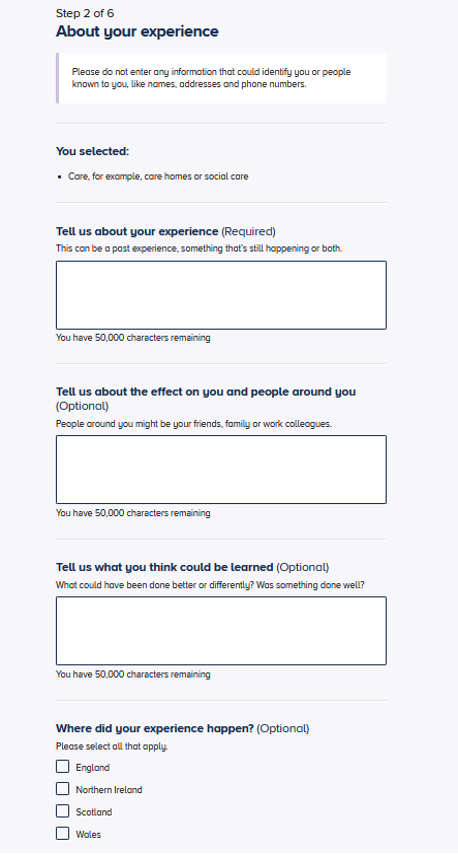
Figure 2: Online form
The form asked other demographic questions to collect background information about them (such as their age, gender and ethnicity). The responses to the online form were submitted anonymously.
ਇਸਦੀ ਪ੍ਰਕਿਰਤੀ ਦੁਆਰਾ, ਜਿਨ੍ਹਾਂ ਨੇ ਔਨਲਾਈਨ ਫਾਰਮ ਵਿੱਚ ਯੋਗਦਾਨ ਪਾਇਆ ਉਹ ਉਹ ਸਨ ਜਿਨ੍ਹਾਂ ਨੇ ਅਜਿਹਾ ਕਰਨ ਦੀ ਚੋਣ ਕੀਤੀ, ਅਤੇ ਉਨ੍ਹਾਂ ਨੇ ਸਿਰਫ਼ ਉਹੀ ਸਾਂਝਾ ਕੀਤਾ ਜਿਸ ਨਾਲ ਉਹ ਅਰਾਮਦੇਹ ਸਨ।
ਸੁਣਨ ਦੇ ਇਵੈਂਟ
ਐਵਰੀ ਸਟੋਰੀ ਮੈਟਰਸ ਟੀਮ ਨੇ ਇੰਗਲੈਂਡ, ਸਕਾਟਲੈਂਡ, ਵੇਲਜ਼ ਅਤੇ ਉੱਤਰੀ ਆਇਰਲੈਂਡ ਦੇ 43 ਕਸਬਿਆਂ ਅਤੇ ਸ਼ਹਿਰਾਂ ਦੀ ਯਾਤਰਾ ਕੀਤੀ, ਤਾਂ ਜੋ ਲੋਕਾਂ ਨੂੰ ਉਨ੍ਹਾਂ ਦੇ ਸਥਾਨਕ ਭਾਈਚਾਰਿਆਂ ਵਿੱਚ ਆਪਣੇ ਮਹਾਂਮਾਰੀ ਦੇ ਤਜਰਬੇ ਨੂੰ ਨਿੱਜੀ ਤੌਰ 'ਤੇ ਸਾਂਝਾ ਕਰਨ ਦਾ ਮੌਕਾ ਦਿੱਤਾ ਜਾ ਸਕੇ। ਸੁਣਨ ਦੇ ਪ੍ਰੋਗਰਾਮ ਹੇਠ ਲਿਖੇ ਸਥਾਨਾਂ 'ਤੇ ਆਯੋਜਿਤ ਕੀਤੇ ਗਏ ਸਨ:
| ਲਿਵਰਪੂਲ | ਮਿਡਲਸਬਰੋ | ਲੈਸਟਰ |
| ਬੇਲਫਾਸਟ | ਸਕੈਗਨੇਸ | ਗਲਾਸਗੋ |
| ਬਰਮਿੰਘਮ | ਮਿਲਟਨ ਕੀਨਜ਼ | ਇਨਵਰਨੈਸ |
| ਕਾਰਲਿਸਲ | ਬੌਰਨੇਮਾਊਥ | ਓਬਾਨ |
| ਰੈਕਸਹੈਮ | ਬ੍ਰਾਈਟਨ | ਮਾਨਚੈਸਟਰ |
| ਕਾਰਡਿਫ | ਬਲੈਕਪੂਲ | ਕੋਵੈਂਟਰੀ |
| ਰੂਥਿਨ | ਲਿਸਬਰਨ | ਸਾਊਥੈਂਪਟਨ |
| ਐਕਸੀਟਰ | ਨਿਊਪੋਰਟ | ਨੌਟਿੰਘਮ |
| ਐਡਿਨਬਰਗ | ਲੰਡੁਡਨੋ | ਸਵਾਨਸੀ |
| ਲੰਡਨ | ਪ੍ਰੈਸਟਨ | ਬ੍ਰਿਸਟਲ |
| ਪੈਸਲੇ | ਲੋਕਧਾਰਾ | ਆਕਸਫੋਰਡ |
| ਐਨੀਸਕਿਲਨ | ਲੂਟਨ | ਸਟਰਲਿੰਗ |
| ਡੇਰੀ/ਲੰਡਨਡੇਰੀ | ਬਿਲਥ ਵੈੱਲਜ਼ | ਈਸਟਬੋਰਨ |
| ਬ੍ਰੈਡਫੋਰਡ | ਇਪਸਵਿਚ | |
| ਸਟਾਕਟਨ-ਆਨ-ਟੀਜ਼ | ਨੌਰਵਿਚ |
ਹਰੇਕ ਘਟਨਾ ਲਈ ਛੋਟੀਆਂ ਸੰਖੇਪ ਰਿਪੋਰਟਾਂ ਲਿਖੀਆਂ ਗਈਆਂ, ਪ੍ਰੋਗਰਾਮ ਭਾਗੀਦਾਰਾਂ ਨਾਲ ਸਾਂਝੀਆਂ ਕੀਤੀਆਂ ਗਈਆਂ ਅਤੇ ਇਸ ਦਸਤਾਵੇਜ਼ ਨੂੰ ਸੂਚਿਤ ਕਰਨ ਲਈ ਵਰਤੀਆਂ ਗਈਆਂ। ਜਿੱਥੇ ਢੁਕਵਾਂ ਹੋਵੇ, ਸੁਣਨ ਵਾਲੀ ਘਟਨਾ ਟੀਮ ਦੁਆਰਾ ਰਿਕਾਰਡ ਵਿੱਚ ਸ਼ਾਮਲ ਕਰਨ ਲਈ ਹਵਾਲੇ ਪ੍ਰਦਾਨ ਕੀਤੇ ਗਏ ਸਨ।
ਲੋਕਾਂ ਦੀਆਂ ਕਹਾਣੀਆਂ ਦਾ ਵਿਸ਼ਲੇਸ਼ਣ ਕਰਨ ਦਾ ਤਰੀਕਾ
The analysis for the preparation of the record focused on data from the online web form, while also reviewing some data from listening events. Experiences and stories have been presented together throughout the record to provide a single thematic account which does not give a greater weight to any of the sources. Here we describe in more detail the specific methods used to analyse stories from each source.
ਆਨਲਾਈਨ ਫਾਰਮ
The responses from the online form were analysed through a process called natural language processing (NLP), which uses machine learning to help organise free-text data (in this case the responses provided on the online form) in a meaningful way. A combination of algorithmic analysis and human review is then used to further explore the stories.
The NLP analysis identifies repeated language patterns within free-text data. It then groups this data into ‘topics’ based on terms or phrases commonly associated with that topic (for example, the language used in a sentence about anxiety might be very similar to that used when talking about depression, which is grouped into a topic on mental health). It is known as a ‘bottom-up’ approach to text analytics since it approaches the data with no preconceptions about the topics it will find, rather it allows topics to emerge based on the contents of the text.
All responses to each question were taken from the online form and blank data was removed. NLP analysis was run for each of the three open-ended questions included in the online form. The output from this analysis was something called a topic model, which summarises the different topics identified in a sunburst chart. From this we identified a total of 238 topics across all responses to Q1, 238 at Q2 and 232 at Q3. Following the initial NLP analysis the research team at Ipsos reviewed all topics for relevance and merged and removed topics not relevant to the three Module 10 Every Story Matters records from the final stage of analysis. This left a total of 191 topics at Q1, 203 at Q2 and 201 at Q3.
Following the removal of topics not relevant to Module 10 a statistical factor analysis was conducted to map relationships between topics and group them based on those commonly occurring together or within three sentences of each other. The factor analysis produced 27 overarching factors for Q1, 24 for Q2 and 23 for Q3.
Following this analysis a single combined code frame was generated based on the topics relevant to Module 10 and drawing on the themes identified for each question. This involved human review of the most common words and phrases, both in the full dataset and within each topic, to identify keywords and patterns that could be used to group stories into appropriate topics and sub-topics. In doing so, this provided the research team with a much more accurate quantification of the size and elements of topics, to inform the approach to analysis. The final combined code frame, based on the individual themes from the factor analysis and researcher input, was made up of 6 factor groups and 302 topics.
Researchers then reviewed the different topics relevant to mental health and wellbeing to explore the stories.
ਹੇਠਾਂ ਦਿੱਤਾ ਗਿਆ ਚਿੱਤਰ ਔਨਲਾਈਨ ਫਾਰਮ ਵਿੱਚ ਸ਼ਾਮਲ ਥੀਮਾਂ ਅਤੇ ਯੋਗਦਾਨ ਪਾਉਣ ਵਾਲੇ ਦੁਆਰਾ ਆਪਣੇ ਜਵਾਬ ਵਿੱਚ ਹਰੇਕ ਥੀਮ ਦਾ ਜ਼ਿਕਰ ਕਰਨ ਦੀ ਗਿਣਤੀ ਨੂੰ ਦਰਸਾਉਂਦਾ ਹੈ। ਹਰੇਕ ਬਲਾਕ ਦਾ ਆਕਾਰ ਥੀਮ ਨਾਲ ਸਬੰਧਤ ਜਵਾਬਾਂ ਦੀ ਮਾਤਰਾ ਨੂੰ ਦਰਸਾਉਂਦਾ ਹੈ। ਧਿਆਨ ਦਿਓ ਕਿ ਵਿਅਕਤੀਗਤ ਯੋਗਦਾਨ ਪਾਉਣ ਵਾਲਿਆਂ ਨੇ ਆਪਣੇ ਜਵਾਬ ਵਿੱਚ ਕਈ ਥੀਮਾਂ ਦਾ ਜ਼ਿਕਰ ਕੀਤਾ ਹੋ ਸਕਦਾ ਹੈ ਅਤੇ ਇਸ ਲਈ ਉਹਨਾਂ ਨੂੰ ਕਈ ਵਾਰ ਗਿਣਿਆ ਜਾ ਸਕਦਾ ਹੈ।
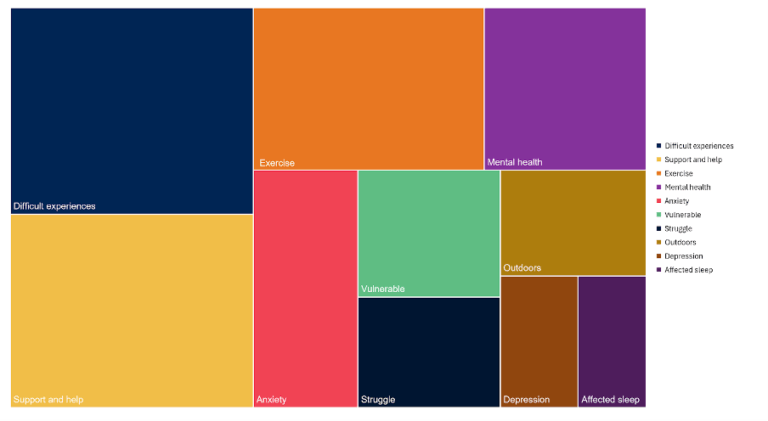
Figure 3: NLP topics: The diagram illustrates which topics contributors mentioned in the online form and how often these topics came up. Large blocks mean a topic was mentioned by more contributors.
ਸੁਣਨ ਦੇ ਇਵੈਂਟ
Summary notes and reports from public listening events were shared with the research team. Each summary was reviewed and analysed by the research team to identify key themes to Module 10.
- Special Educational Needs and Disabilities (SEND) is the term used in England, in Northern Ireland the term used is Special Educational Needs (SEN), in Scotland it is Additional Support Needs (ASN), and in Wales it is Additional Learning Needs (ALN).